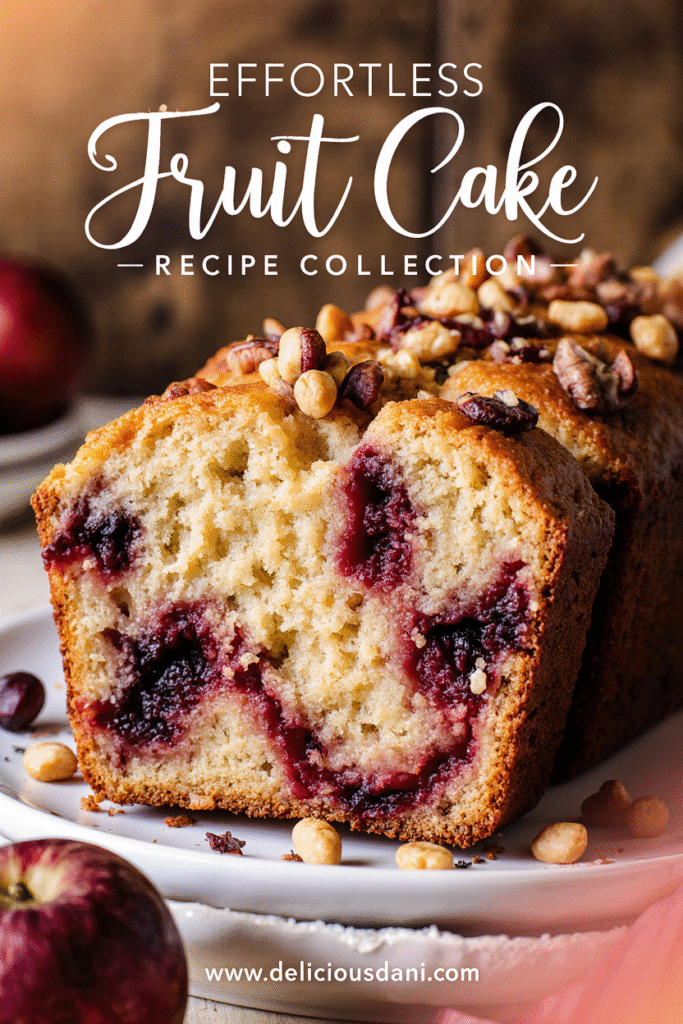
Effortless Fruit Cake Recipe You’ll Crave Again
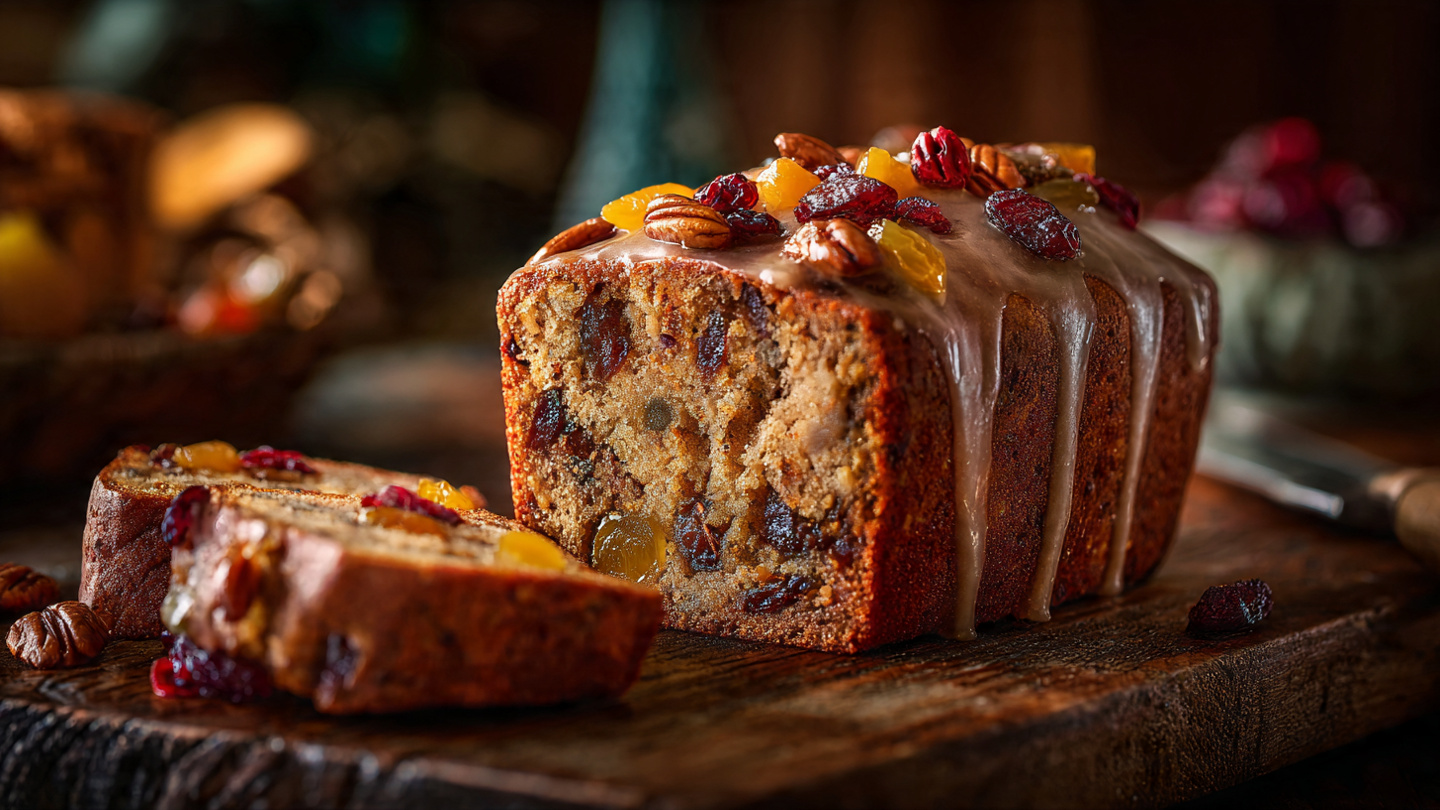
Get ready to completely change your mind about fruitcake with this Effortless Fruit Cake Recipe – a moist, flavorful, absolutely delicious cake that bears no resemblance to those dense, artificially colored, overly boozy bricks that have given fruitcake a bad reputation! I created this recipe after years of hearing people say they hated fruitcake, and I was determined to make a version that would convert even the staunchest fruitcake skeptics. What makes this fruitcake so incredibly special is the perfect balance of natural sweetness from real dried fruits, warm spices that create depth without overwhelming, just enough moisture to keep it tender for weeks, and a lighter texture that’s more like a spiced tea cake than a doorstop. I use quality dried fruits (not those neon-colored mystery cubes), a touch of orange and brandy for sophistication, and a technique that keeps the cake moist without being heavy or greasy. The first time I served this to my “I hate fruitcake” friends, they couldn’t believe what they were eating – and asked for seconds! This cake has become my signature holiday gift, my make-ahead entertaining secret weapon, and the recipe that’s converted countless fruitcake haters into fruitcake lovers. Whether you’re skeptical about fruitcake, looking for an authentic holiday tradition, need impressive homemade gifts, or just want something different and delicious, this effortless fruitcake is about to become your new favorite!
Overview of Recipe Content
Effortless Fruit Cake Recipe is perfect for holiday baking and gift-giving, Christmas traditions and celebrations, make-ahead entertaining (it actually improves with age!), elegant hostess gifts that impress, using up dried fruit from your pantry, converting fruitcake skeptics, serving with afternoon tea or coffee, or creating an heirloom recipe for your family. It’s a great recipe because it’s genuinely easy with no complicated techniques, uses real, natural dried fruits (not artificial candied fruit), improves with age and can be made weeks or months ahead, stays incredibly moist for weeks without refrigeration, delivers authentic spiced cake flavors that everyone actually enjoys, makes impressive gifts when wrapped beautifully, and can be customized with your favorite fruits and nuts. The flavor profile is warm and sophisticated: sweet-tart dried fruits (raisins, cranberries, apricots, cherries) with natural fruit flavor, warm spices (cinnamon, nutmeg, allspice) that create depth, subtle citrus brightness from orange zest and juice, optional brandy or rum that adds complexity without being boozy, toasted nuts (pecans, walnuts, almonds) that add crunch, and brown sugar and molasses that create rich, caramel-like undertones. This recipe is perfect for holiday baking enthusiasts, people who think they hate fruitcake (prepare to be converted!), make-ahead bakers and gift-givers, anyone seeking traditional yet approachable recipes, tea and coffee lovers who want sophisticated accompaniments, and families wanting to start new traditions. It’s naturally dairy-free (uses oil), can be made alcohol-free, and is easily customized to dietary preferences.
Ingredients
For the Fruit Mixture (Prepare 1 Day Ahead if Possible):
| Ingredient | Quantity |
|---|---|
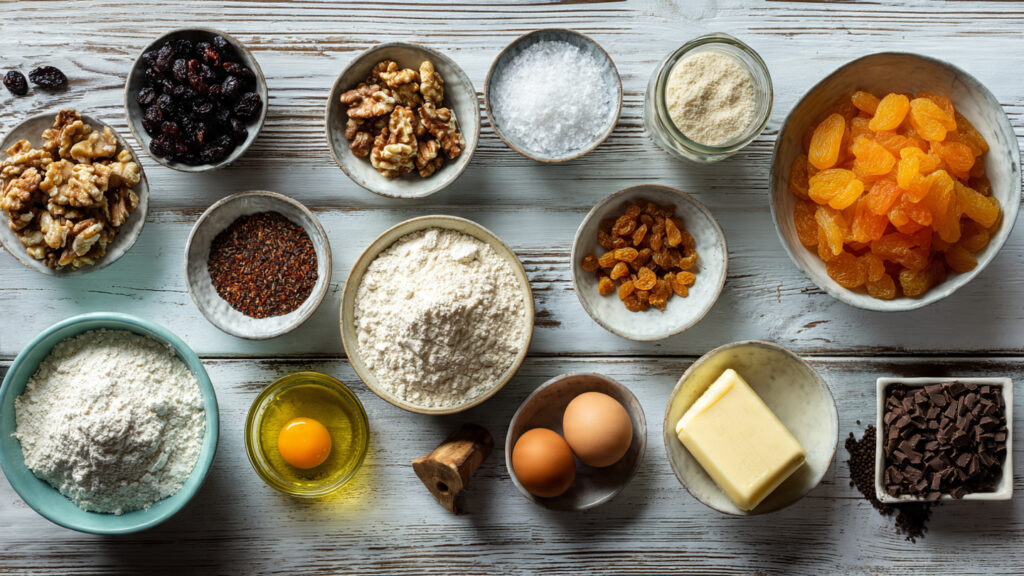
| Mixed dried fruits (raisins, golden raisins, dried cranberries, dried cherries, chopped dried apricots, chopped dried figs) | 2 cups (300g) |
| Candied orange peel or chopped crystallized ginger (optional but traditional) | ½ cup (75g) |
| Orange juice or apple juice | ⅓ cup (80ml) |
| Brandy, dark rum, or additional juice (for alcohol-free) | ¼ cup (60ml) |
| Orange zest | From 1 orange |
| Lemon zest | From 1 lemon |
For the Cake Batter:
| Ingredient | Quantity |
|---|---|
| All-purpose flour | 2 cups (250g) |
| Baking powder | 1 teaspoon |
| Baking soda | ½ teaspoon |
| Salt | ½ teaspoon |
| Ground cinnamon | 1½ teaspoons |
| Ground nutmeg | ½ teaspoon |
| Ground allspice or cloves | ¼ teaspoon |
| Ground ginger | ¼ teaspoon |
| Dark brown sugar, packed | ¾ cup (150g) |
| Vegetable oil or melted coconut oil | ½ cup (120ml) |
| Molasses or honey | ¼ cup (60ml) |
| Large eggs, room temperature | 3 |
| Vanilla extract | 1 teaspoon |
| Buttermilk or plain yogurt (or milk with 1 tablespoon lemon juice) | ½ cup (120ml) |
For the Nuts:
| Ingredient | Quantity |
|---|---|
| Chopped toasted nuts (pecans, walnuts, almonds, or combination) | 1½ cups (180g) |
For Soaking/Feeding the Cake (Optional but Traditional):
| Ingredient | Quantity |
|---|---|
| Brandy, rum, or orange juice (for brushing over weeks) | ¼ cup (60ml) |
For Decoration (Optional):
| Item | Purpose |
|---|---|
| Whole pecans or almonds | Top decoration |
| Candied cherries and orange peel | Traditional garnish |
| Apricot jam glaze | Glossy finish |
| Powdered sugar | Simple dusting |
Tools Needed
- 9×5-inch loaf pan or 8-inch round cake pan
- Parchment paper
- Large mixing bowl
- Medium bowl (for soaking fruit)
- Whisk
- Rubber spatula
- Measuring cups and spoons
- Zester or microplane
- Toothpick or cake tester
- Cooling rack
- Cheesecloth or kitchen towel (for wrapping/storing)
- Aluminum foil
- Pastry brush (for feeding/soaking)
Suggested Substitutions and Additions
Dried Fruit Options:
- Traditional mix: Raisins, currants, candied citrus peel, candied cherries
- Modern mix: Dried cranberries, cherries, apricots, figs, dates (recommended)
- Tropical: Dried pineapple, mango, papaya, coconut
- Luxury: Dried figs, dates, prunes, candied ginger
- Simple: All raisins (golden and dark mixed)
- Avoid: Artificially colored candied fruit (gives fruitcake a bad name!)
Nut Choices:
- Pecans: Sweet, buttery, traditional
- Walnuts: Earthy, slightly bitter balance
- Almonds: Crunchy, mild, elegant
- Hazelnuts: Rich, distinct flavor
- Pistachios: Beautiful color, unique taste
- Mixed: Combination for complexity
- Nut-free: Omit or replace with seeds (pumpkin, sunflower)
Alcohol Options:
- Brandy: Classic, sophisticated
- Dark rum: Traditional, warm spice notes
- Bourbon: American twist, vanilla notes
- Grand Marnier or Cointreau: Orange liqueur
- Sherry: British tradition
- Alcohol-free: Orange juice, apple juice, grape juice, or brewed tea
Spice Variations:
- Classic: Cinnamon, nutmeg, allspice (as written)
- Warm: Add ½ teaspoon cardamom
- Gingerbread-style: Increase ginger to 1 teaspoon, add ¼ teaspoon black pepper
- Chai-spiced: Add cardamom, ginger, touch of cloves
- Simple: Just cinnamon and nutmeg
- Pumpkin spice blend: Use 2 teaspoons pumpkin pie spice
Sweetener Modifications:
- Dark brown sugar: Deep molasses flavor (recommended)
- Light brown sugar: Milder caramel notes
- White sugar: Lighter color and flavor
- Maple syrup: Replace molasses for maple flavor
- Honey: Floral sweetness
- Coconut sugar: Caramel notes, less processed
- Reduce sugar: Can reduce by ¼ cup for less sweet
Oil Alternatives:
- Vegetable oil: Neutral, keeps cake moist (recommended)
- Coconut oil: Slight coconut flavor
- Olive oil: Fruity, Mediterranean (use mild)
- Butter (melted): Richer flavor, slightly different texture
- Applesauce: Can replace half the oil for lower fat (denser cake)
Buttermilk Substitutes:
- Regular buttermilk: Best for tang and tenderness
- Yogurt: Plain, full-fat works perfectly
- Milk + acid: ½ cup milk + 1 tablespoon lemon juice or vinegar
- Sour cream: Thinned with a little milk
- Dairy-free milk + acid: Works for dairy-free version
Flavor Enhancements:
- Add ½ cup chopped dark chocolate
- Include ¼ cup cocoa powder (reduce flour by ¼ cup)
- Add 2 tablespoons instant coffee for depth
- Include crystallized ginger for spicy-sweet
- Add ½ teaspoon almond extract
- Mix in ¼ cup marmalade with fruit mixture
- Include candied lemon or lime peel
Decorating Options:
- Simple: Dust with powdered sugar
- Traditional: Whole nuts and candied fruit arranged on top
- Glazed: Brush with warmed apricot jam
- Marzipan: Cover with marzipan and royal icing (very traditional)
- Naked: Leave plain for rustic look
- Drizzled: White chocolate or dark chocolate drizzle
Dietary Modifications:
- Gluten-free: Use 1:1 GF flour blend, add ¼ teaspoon xanthan gum
- Dairy-free: Use plant milk + acid, already uses oil not butter
- Vegan: Use flax eggs (3 tablespoons ground flax + 9 tablespoons water), plant milk
- Egg-free: Replace each egg with ¼ cup applesauce (denser texture)
- Nut-free: Omit nuts or use seeds
- Alcohol-free: Use juice throughout
- Lower sugar: Reduce sugar by ¼-½ cup
How to Make Effortless Fruit Cake
Step 1: Soak the Fruit (Ideally 1 Day Ahead)
This step is what makes the cake incredibly moist and flavorful! In a medium bowl, combine all your dried fruits (raisins, cranberries, apricots, cherries, etc.) and candied peel if using. Add the orange juice, brandy or rum (or all juice if alcohol-free), orange zest, and lemon zest. Stir well to coat all the fruit.
Cover the bowl with plastic wrap and let it sit at room temperature for at least 2 hours, but ideally overnight or up to 24 hours. The fruit will absorb the liquid, plump up beautifully, and become tender and flavorful. Stir occasionally if you think of it. The fruit should be soft and most of the liquid should be absorbed. If there’s excess liquid after soaking, don’t drain it – you’ll add it to the batter!
Time-saving option: If you can’t soak overnight, at minimum heat the juice and alcohol in the microwave until very hot (not boiling), pour over fruit, and let sit for 1 hour. The heat speeds absorption. But overnight is better!
Step 2: Prepare Pan and Preheat Oven
Preheat your oven to 325°F (165°C) – lower temperature for fruitcake! Grease a 9×5-inch loaf pan thoroughly with butter or oil. Line the bottom and long sides with parchment paper, leaving overhang on the sides (this creates “handles” for easy removal). You can also use an 8-inch round pan or even multiple smaller loaf pans.
For extra protection against over-browning (fruitcake bakes for a long time), you can wrap the outside of the pan with aluminum foil or use a baking belt if you have one. This insulates the pan and helps the cake bake more evenly without the edges getting too dark.
Traditional method: Some bakers line the pan with parchment, then brush the parchment with butter and dust with flour for extra protection. This is overkill for our modern recipe but creates authentic texture.
Step 3: Toast the Nuts
While the oven preheats, toast your nuts for maximum flavor! Spread chopped nuts in a single layer on a baking sheet. Toast in the preheating oven (or in a dry skillet on the stovetop over medium heat) for 5-8 minutes, stirring occasionally, until fragrant and lightly golden. Watch carefully – nuts burn quickly!
Remove from oven and let cool completely. Toasting brings out the nuts’ natural oils and intensifies their flavor dramatically. This small step makes a big difference in the final cake! If you prefer, you can skip toasting, but the flavor won’t be as deep.
Step 4: Mix Dry Ingredients
In a large mixing bowl, whisk together the flour, baking powder, baking soda, salt, and all the spices (cinnamon, nutmeg, allspice, ginger). Whisk thoroughly for 30-45 seconds to ensure even distribution of the spices and leavening agents.
The combination of baking powder and baking soda provides lift and helps create a tender crumb. The spices should smell amazing when combined – warm, festive, and inviting. This dry mixture creates the flavorful foundation for your cake.
Set the dry mixture aside. The key to tender fruitcake is gentle mixing once wet and dry ingredients combine, so having everything measured and ready is important.
Step 5: Mix Wet Ingredients
In a separate large bowl, whisk together the dark brown sugar and oil until well combined and slightly emulsified. The mixture should look smooth and uniform. Add the molasses (or honey) and whisk until incorporated – molasses adds deep, rich flavor and helps keep the cake moist.
Add the eggs one at a time, whisking well after each addition until the mixture is smooth and glossy. Add the vanilla extract and buttermilk, whisking until everything is completely combined. The mixture should be smooth, slightly thick, and smell wonderful with hints of spice and molasses.
The room temperature eggs are important – they emulsify better with the oil and sugar, creating a smoother batter. Cold eggs can cause the mixture to separate.
Step 6: Combine and Fold in Fruit and Nuts
Add the dry ingredients (flour mixture) to the wet ingredients all at once. Using a rubber spatula, gently fold the mixture together just until no flour streaks remain. Don’t overmix! Overmixing develops gluten and creates a tough cake. The batter should be thick, smooth, and uniform.
Now add the soaked fruit (with any remaining liquid) and the toasted, cooled nuts. Fold gently but thoroughly until the fruit and nuts are evenly distributed throughout the batter. The batter will be very thick and packed with fruit and nuts – that’s perfect! Every bite should have fruit and nuts.
The batter should barely hold the fruit and nuts together – it’s more fruit and nuts than batter, which is traditional for good fruitcake. If your batter seems dry, add 1-2 tablespoons of juice or milk.
Step 7: Bake Low and Slow
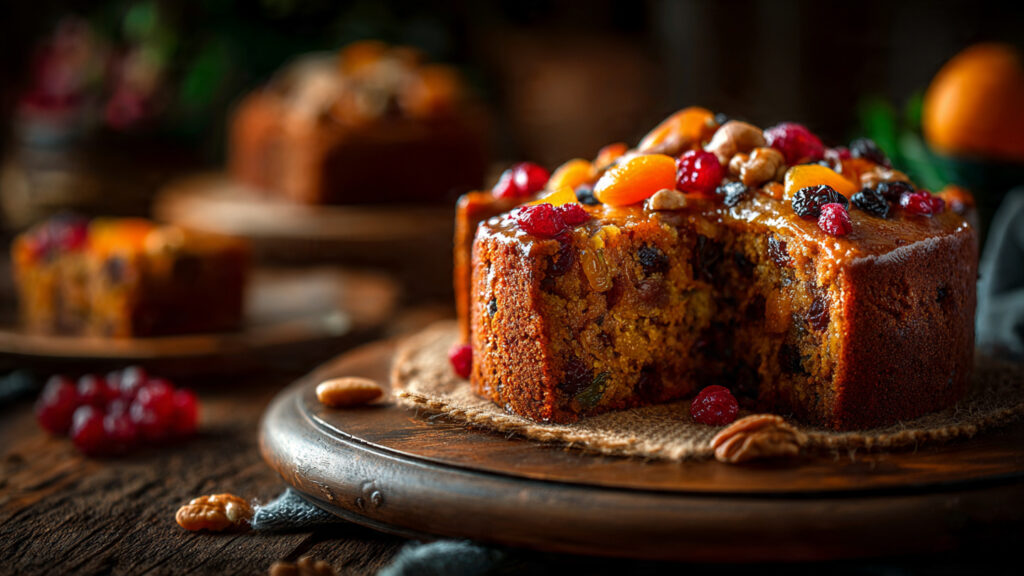
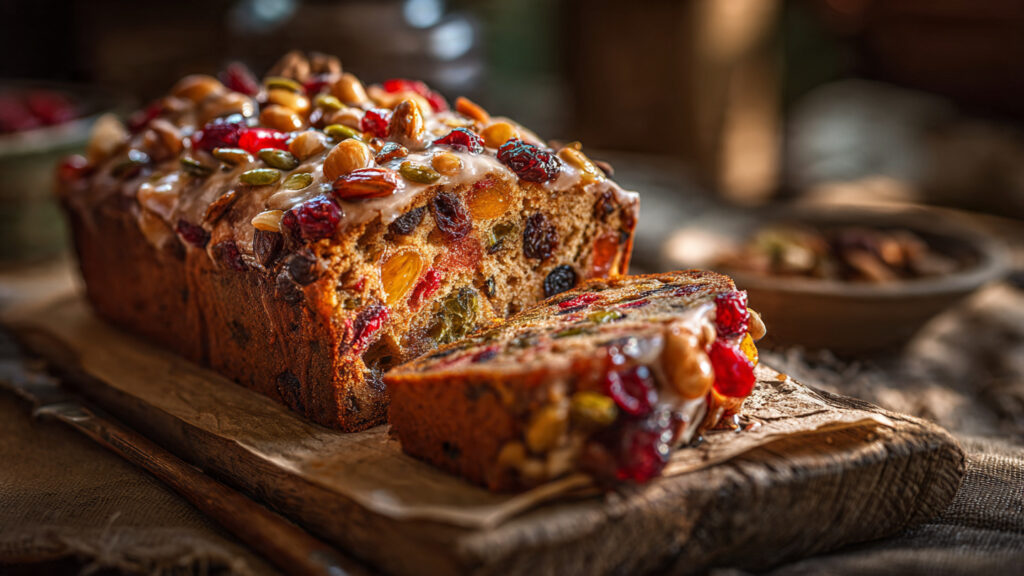
Scrape the batter into your prepared pan, spreading it evenly and smoothing the top with a spatula. If decorating the top, now is the time to arrange whole nuts, candied fruits, or other decorations in an attractive pattern on the surface – press them in slightly so they adhere.
Place the pan in the preheated 325°F (165°C) oven on the center rack. Bake for 60-75 minutes for a loaf pan (or 50-60 minutes for an 8-inch round pan, or 30-40 minutes for mini loaves). The cake is done when a toothpick or skewer inserted into the center comes out clean or with just a few moist crumbs (not wet batter), and the top is deeply golden brown and springs back when lightly pressed.
Don’t rush this step! Fruitcake needs slow, gentle baking to cook through without burning. Check at 60 minutes, and if the top is browning too much but the center isn’t done, tent loosely with aluminum foil and continue baking. Every oven is different, so use visual and tactile cues along with time.
Step 8: Cool and “Feed” the Cake (Optional but Traditional)
Remove the cake from the oven and let it cool in the pan on a wire rack for 20-30 minutes. The cake should firm up during this time. After 20-30 minutes, use the parchment overhang to lift the cake out of the pan and transfer to the wire rack to cool completely – this takes 2-3 hours.
Once completely cool, here’s the traditional “feeding” process that creates incredibly moist, flavorful fruitcake that improves with age: Using a skewer or toothpick, poke holes all over the surface and sides of the cake (10-15 holes). Using a pastry brush, brush the cake all over with 2-3 tablespoons of brandy, rum, or orange juice, letting it soak into the holes and absorb into the cake.
Wrap the cake tightly in cheesecloth or a clean kitchen towel, then wrap in aluminum foil or place in an airtight container. Store at cool room temperature (not refrigerator – it will dry out). Once a week for 3-4 weeks, unwrap the cake, poke new holes, brush with more alcohol or juice (1-2 tablespoons), and rewrap. This “feeding” keeps the cake moist and allows flavors to develop and meld.
Modern shortcut: If you’re not doing the traditional aging process, simply let the cake cool completely, wrap well, and store. It will still be delicious and stay moist for 1-2 weeks at room temperature!
Step 9: Serve and Enjoy
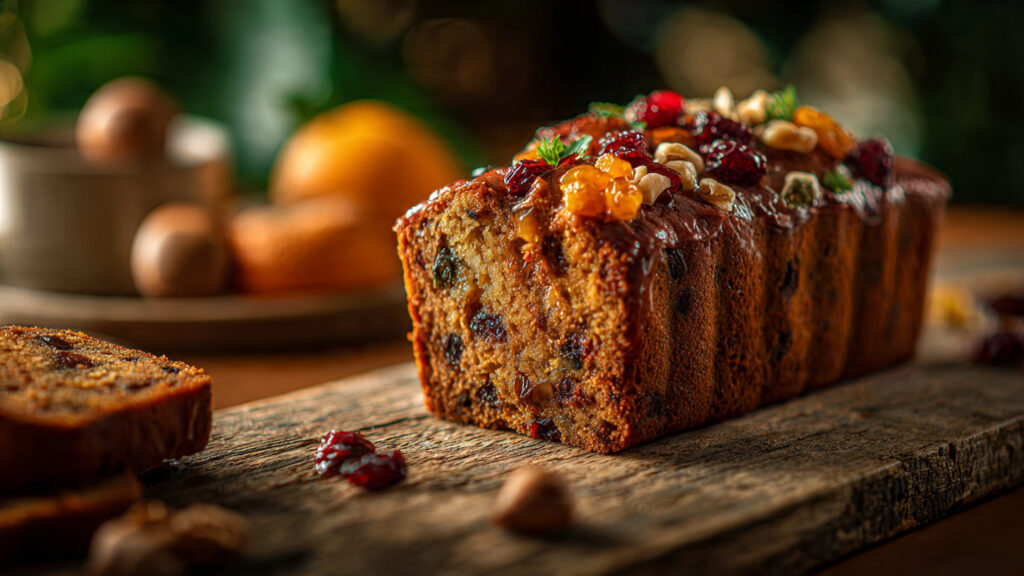
After aging (or immediately if you can’t wait!), slice the fruitcake into thin slices – ¼ to ½ inch thick. The cake is rich and a little goes a long way! Serve at room temperature with tea or coffee. The cake should be incredibly moist, packed with fruit and nuts, and full of warm spice flavors.
Properly aged fruitcake can last for months at room temperature if wrapped well and fed regularly with alcohol. Some traditional bakers make their fruitcakes in October for Christmas serving! Even without aging, this cake stays fresh and moist for 2-3 weeks at room temperature, making it perfect for make-ahead holiday baking.
For gifting, wrap cooled cake slices or whole small cakes in parchment paper, then decorative wrapping, and tie with ribbon. Include a note about storage and that the cake actually gets better over time!
What to Serve with It
Effortless Fruit Cake is traditionally served with tea or coffee as an afternoon treat or after-dinner dessert. The classic pairing is strong black tea (English Breakfast, Earl Grey, or a robust blend) – the tannins in tea cut through the richness and complement the spices beautifully. Coffee (especially espresso or dark roast) provides bitter contrast to the sweet fruit.
For British tradition, serve with sharp cheddar cheese – this classic pairing might sound odd, but the salty, tangy cheese is incredible with sweet fruitcake! Try aged cheddar, Stilton, or Wensleydale (the traditional choice in Northern England). In Yorkshire, they say “Apple pie without cheese is like a kiss without a squeeze” – and the same applies to fruitcake!
Butter is another traditional accompaniment – spread thin slices of fruitcake with good quality salted butter for simple indulgence. Or try cream cheese for tangy creaminess.
For more elegant serving, pair with port wine or sherry (fortified wines complement the rich fruit), brandy or cognac (echoes flavors in the cake), dessert wines (Sauternes, late-harvest Riesling), or champagne or prosecco (bubbles and acidity cut richness).
Creamy accompaniments work wonderfully: whipped cream (lightly sweetened, vanilla-scented), clotted cream (very British, very rich), vanilla ice cream (temperature contrast), crème fraîche (tangy, less sweet), or mascarpone (Italian-style richness).
For holiday entertaining, arrange fruitcake slices on a cheese board with crackers, nuts, dried and fresh fruits, honey, and jams. Or create a dessert board with fruitcake alongside chocolates, cookies, fresh fruit, and nuts.
Breakfast option: Thin slices of fruitcake are traditional for Christmas morning breakfast in many families, served with butter and strong tea or coffee. Some even toast it lightly!
For children or non-alcohol versions, serve with hot chocolate, milk, apple cider, or vanilla custard for a comforting treat.
Tips for Making It Perfect
- Soak the fruit overnight for best results: While you can rush this step, overnight soaking (or even 24 hours) produces dramatically better results. The fruit becomes tender, plump, and infused with flavor, which translates to a moister, more flavorful cake. The fruit also distributes more evenly in the batter when it’s softened. If you’re really pressed, use hot liquid and soak for at least 1 hour minimum.
- Toast the nuts for maximum flavor: Raw nuts taste bland compared to toasted! This 5-minute step intensifies the nuts’ flavor and adds subtle caramelization that makes a huge difference in the final cake. Watch them carefully – they burn quickly. Cool completely before adding to batter.
- Use quality dried fruit, not cheap candied fruit: The neon-red and green artificially colored candied cherries and citrus peel are what give fruitcake a bad reputation! Use natural dried fruits – real dried cranberries, cherries, apricots, figs, and dates. Quality candied ginger or organic candied citrus peel is fine, but skip the artificial stuff. Your fruitcake will actually taste like fruit!
- Don’t overbake – check early and often: Fruitcake takes a long time to bake (60-75 minutes), but ovens vary wildly. Start checking at 60 minutes. The cake should be deeply golden, spring back when pressed, and a toothpick should come out clean or with just moist crumbs. Overbaked fruitcake is dry and crumbly instead of moist and tender. Better to slightly underbake than overbake!
- Wrap properly for storage: Fruitcake needs to breathe slightly but stay moist. Wrap in parchment or cheesecloth, then aluminum foil or place in an airtight tin. Don’t use plastic wrap directly on the cake for long-term storage – it can make it soggy. Store at cool room temperature, not in the refrigerator (which dries it out).
- Feed the cake regularly if aging: If you’re doing the traditional feeding/aging process, be consistent. Once a week for 3-4 weeks, unwrap, poke holes, brush with alcohol or juice, and rewrap. This keeps it incredibly moist and develops complex flavors. Use the same alcohol throughout for consistency. The cake can last for months this way!
- Slice thin – it’s rich!: Fruitcake is dense and rich, so thin slices (¼ to ½ inch) are perfect. Thick slices can be overwhelming. Use a sharp, serrated knife for clean cuts. If the cake is very moist, wipe the knife between slices for the neatest presentation.
Storage Instructions
Room Temperature (Best for Fruitcake): This is the ideal storage method! Wrap cooled fruitcake tightly in parchment paper or cheesecloth, then wrap in aluminum foil or place in an airtight tin. Store at cool room temperature (60-70°F) for up to 3-4 weeks. The cake actually improves over the first week as flavors meld and develop. If “feeding” with alcohol or juice, the cake can last for months at room temperature – traditional fruitcakes are made in October for December consumption!
Refrigerator: I don’t recommend refrigerating fruitcake for long-term storage – it actually dries out faster in the refrigerator! However, if your kitchen is very warm (over 75°F) or humid, you can refrigerate for up to 2 months. Wrap extremely well in plastic wrap and foil to prevent it from drying out or absorbing refrigerator odors. Bring to room temperature before serving for best flavor and texture.
Freezer: Fruitcake freezes beautifully for up to 6 months! Wrap the completely cooled cake tightly in plastic wrap, then in aluminum foil, then place in a freezer bag. To thaw: leave wrapped at room temperature overnight or for 8-12 hours. The texture and flavor remain excellent after freezing. This is perfect for making fruitcake months ahead for holidays!
Individual Slices: For gifting or portion control, slice the cake and wrap individual slices in parchment paper, then plastic wrap or foil. Store at room temperature for 2 weeks, refrigerate for 1 month, or freeze for 6 months. Individual slices thaw quickly (30 minutes at room temperature).
Feeding/Aging Schedule: For traditional aged fruitcake: Week 1: Wrap and store. Week 2: Unwrap, poke holes, brush with 2 tablespoons alcohol/juice, rewrap. Week 3: Repeat. Week 4: Repeat. After 4 weeks of feeding, the cake is ready to serve but can continue aging for months if you continue feeding monthly. The alcohol acts as a preservative and keeps the cake moist.
Gifting: For gifts, wrap in parchment, then decorative tissue or wrapping paper, tie with ribbon, and include a note: “Homemade fruitcake – keeps at room temperature for 3-4 weeks. Actually gets better over time! Can be fed weekly with brandy or juice for extended storage.” Include serving suggestions like “delicious with tea and sharp cheddar cheese!”
Signs of Spoilage: Properly stored fruitcake lasts a very long time, but if you see mold, smell anything off, or notice dried-out crumbly texture (from improper wrapping), discard it. Properly made and stored fruitcake with alcohol can last 6+ months without any issues.
General Information
Fruitcake has ancient origins, with versions appearing in Roman times when pomegranate seeds, pine nuts, and raisins were mixed with barley mash. The Middle Ages saw the development of “plum cake” in Europe, where “plum” was a term for any dried fruit. By the 16th century, sugar from American colonies became more available, and preserved fruits (candied in sugar) became popular in wealthy households, leading to more elaborate fruitcakes.
The British Christmas fruitcake tradition developed in the Victorian era, when fruitcake became associated with celebrations and special occasions. The cakes were made weeks or months ahead, soaked in brandy or rum, and aged to develop complex flavors. This tradition spread throughout the British Empire, making fruitcake a Christmas staple in Britain, Australia, New Zealand, Canada, and other Commonwealth nations.
In America, fruitcake arrived with European colonists and evolved into various regional styles. The Southern United States developed a tradition of dark, dense fruitcakes made with bourbon or rum. However, during Prohibition (1920-1933), commercial fruitcakes began using cheaper, artificially colored candied fruits instead of quality dried fruits and alcohol, which contributed to fruitcake’s declining reputation.
By the mid-20th century, mass-produced commercial fruitcakes with neon-colored fruits, excessive sweetness, and poor quality ingredients became ubiquitous, leading to the unfortunate stereotype of fruitcake as an unwanted holiday gift. Johnny Carson’s famous 1985 joke that “there’s only one fruitcake in the world and people keep passing it around” cemented fruitcake’s bad reputation in popular culture.
However, traditional fruitcake made with quality ingredients – real dried fruits, good nuts, proper spices, and time to age – is actually delicious! Many cultures maintain fruitcake traditions: Italian panettone, German stollen, Caribbean black cake (with burnt sugar and rum), Portuguese bolo rei, and British Christmas pudding are all variations of rich, fruit-studded celebratory cakes.
The revival of artisanal baking and interest in traditional recipes has brought good fruitcake back into favor. Modern recipes (like this one!) use natural dried fruits, quality nuts and spices, and proper technique to create moist, flavorful cakes that bear no resemblance to the maligned mass-produced versions. When made properly, fruitcake is a sophisticated, complex dessert that deserves its place in holiday traditions!
Frequently Asked Questions (FAQ)
Q: Why does fruitcake have such a bad reputation? A: The “bad fruitcake” stereotype comes from mass-produced commercial versions made with cheap ingredients: artificially colored candied fruits (those neon-red and green things), excessive sweetness, poor quality nuts, and preservatives that make them last forever but taste terrible. Traditional fruitcake made with real dried fruits, quality nuts, proper spices, and good technique is actually delicious! This recipe uses natural ingredients and will convert fruitcake skeptics.
Q: Can I make this without alcohol? A: Absolutely! Replace all alcohol (brandy/rum) with orange juice, apple juice, or strong brewed tea. The alcohol in traditional fruitcake serves two purposes: flavor and preservation. Without it, the cake will still be delicious but won’t last quite as long (3-4 weeks instead of months) and will have a slightly different flavor profile. You can still “feed” the cake weekly with juice instead of alcohol.
Q: How long does fruitcake really last? A: Properly made and stored fruitcake lasts an impressively long time! Without alcohol: 3-4 weeks at room temperature when wrapped well. With alcohol and proper feeding: 3-6 months at room temperature, sometimes longer. Frozen: up to 6 months. The high sugar content, low moisture, and alcohol (if using) all act as preservatives. Traditional bakers make fruitcake in October for Christmas consumption. It actually improves over the first 2-3 weeks as flavors meld!
Q: Do I have to age/feed the cake for weeks? A: No! While traditional aging develops deeper, more complex flavors, this cake is absolutely delicious right away after cooling completely. You can eat it the same day it’s baked, or wrap it and serve the next day. The feeding/aging process is optional. For easy entertaining, bake it 3-4 days ahead and let it rest wrapped – that’s enough time for flavors to meld without the weekly feeding ritual.
Q: Can I make this gluten-free? A: Yes! Replace the all-purpose flour with a 1:1 gluten-free flour blend (Bob’s Red Mill, King Arthur Measure for Measure, or similar). Make sure it contains xanthan gum or guar gum for structure – if it doesn’t, add ¼ teaspoon xanthan gum. Everything else stays the same. The texture will be slightly different but still delicious. Ensure your baking powder and other ingredients are certified gluten-free if needed for celiac.
Q: Why is my fruitcake dry/crumbly? A: Dry fruitcake results from: (1) Overbaking – check early and remove as soon as a toothpick comes out clean, (2) Not soaking the fruit long enough – fruit should be plump and moist, (3) Too much flour or not enough liquid, (4) Improper storage – must be wrapped airtight, (5) Refrigerating instead of room temperature storage. To fix dry cake: brush with juice or alcohol, wrap tightly, and let sit 24 hours to reabsorb moisture. Prevention is easier than fixing!
Q: Can I customize the fruits and nuts? A: Absolutely! That’s the beauty of homemade fruitcake. Use any combination of dried fruits you enjoy: raisins, cranberries, cherries, apricots, figs, dates, prunes, pineapple, mango. Avoid artificially colored candied fruits. For nuts: pecans, walnuts, almonds, hazelnuts, pistachios, or go nut-free. Just keep the total amounts the same (2 cups fruit, 1½ cups nuts) and you can’t go wrong. Make it your own signature recipe!
Conclusion
I’m absolutely thrilled to share this Effortless Fruit Cake Recipe with you – it’s truly a game-changer that will convert even the most dedicated fruitcake skeptics! The combination of real dried fruits, warm spices, toasted nuts, and that incredibly moist texture creates a sophisticated, delicious cake that has nothing in common with those brick-like commercial versions. Whether you’re starting a new holiday tradition, making impressive homemade gifts, or simply want to discover what fruitcake is supposed to taste like, this recipe will not disappoint.
I’d absolutely love to hear how your fruitcake turned out! Please leave a comment below sharing your experience, what fruits and nuts you used, or how long you aged it. If this recipe converted you from a fruitcake hater to a fruitcake lover (or confirmed your existing love!), please give it a five-star rating – it helps other bakers discover that fruitcake can actually be amazing!
Don’t forget to snap a photo of your beautiful fruitcake (especially if you decorated the top!) and share it on Instagram – tag me so I can see your creation and celebrate your baking success! And please pin this recipe to your “Holiday Baking,” “Christmas Traditions,” or “Homemade Gifts” boards on Pinterest so you’ll always have it when you need something special. Happy baking, and may your fruitcake always be moist, flavorful, and absolutely crave-worthy!
Nutritional Information (per serving)
Based on 16 slices (one 9×5-inch loaf)
| Nutrient | Amount |
|---|---|
| Calories | 285 |
| Total Fat | 12g |
| Saturated Fat | 1.5g |
| Trans Fat | 0g |
| Cholesterol | 35mg |
| Sodium | 135mg |
| Total Carbohydrates | 42g |
| Dietary Fiber | 3g |
| Sugars | 28g |
| Protein | 4g |
| Vitamin A | 4% DV |
| Vitamin C | 2% DV |
| Calcium | 55mg |
| Iron | 2mg |
| Potassium | 265mg |
Note: Nutritional values are approximate and will vary based on specific fruits, nuts, and add-ins used, whether alcohol is included, and exact slice size. This is a rich, celebratory cake meant for special occasions. The high fiber comes from dried fruits and nuts.