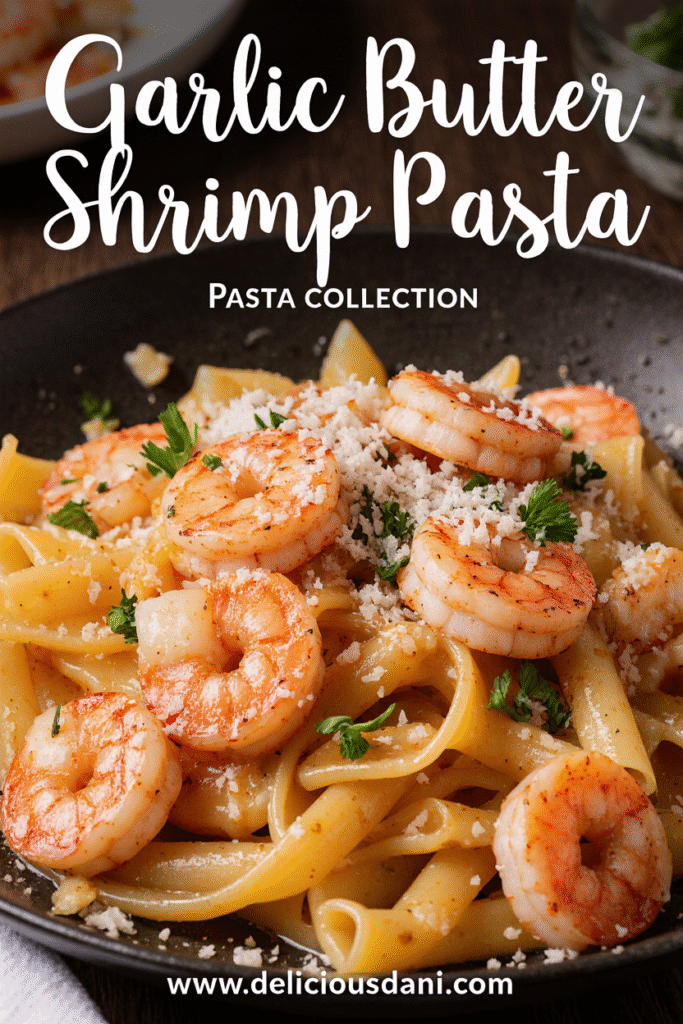
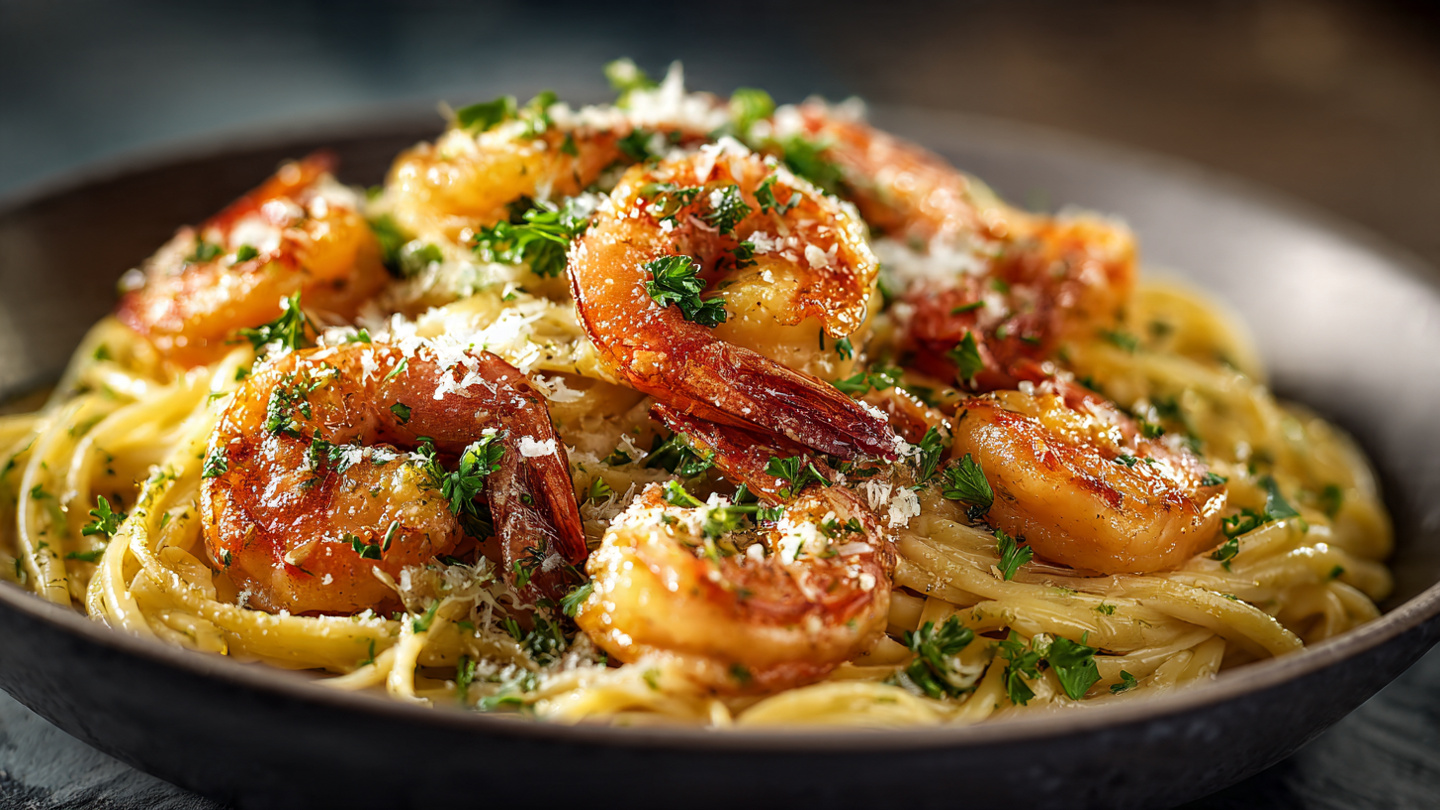
Garlic Butter Shrimp Pasta
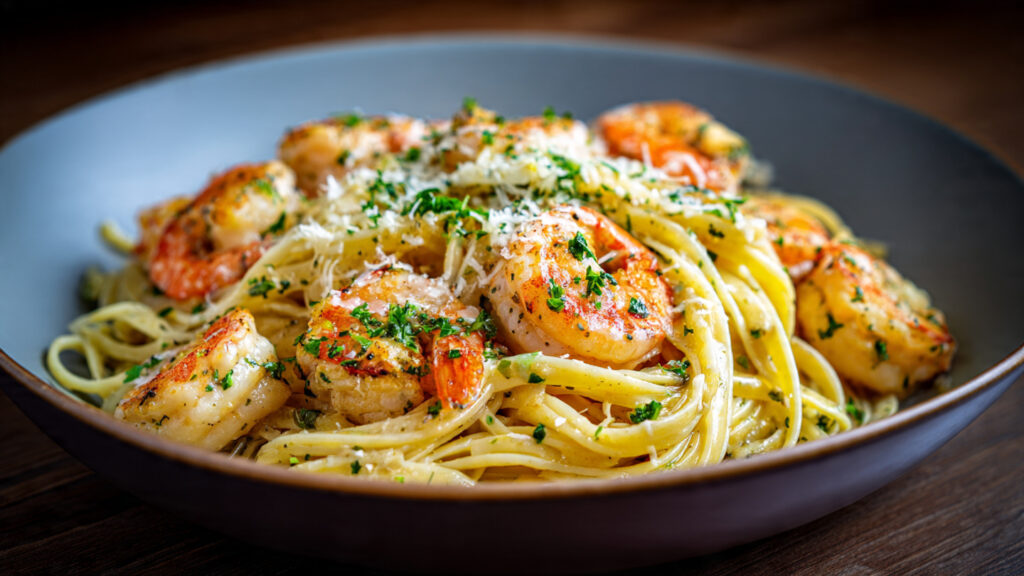
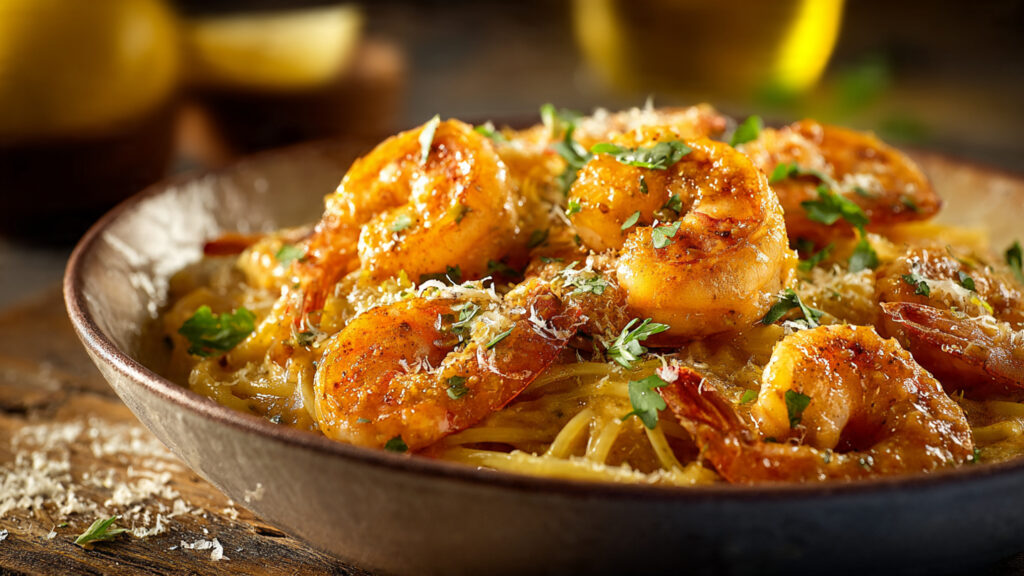
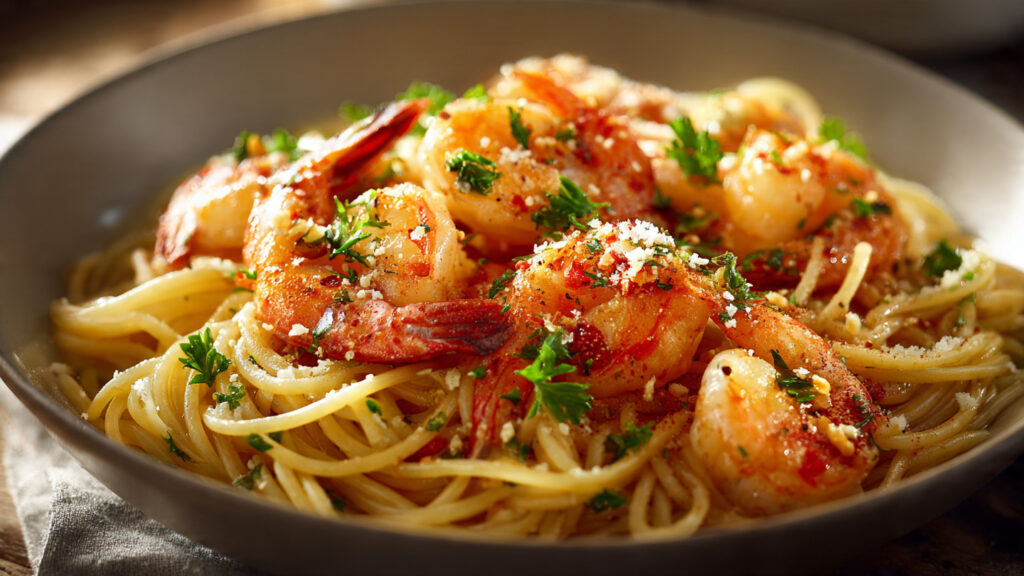
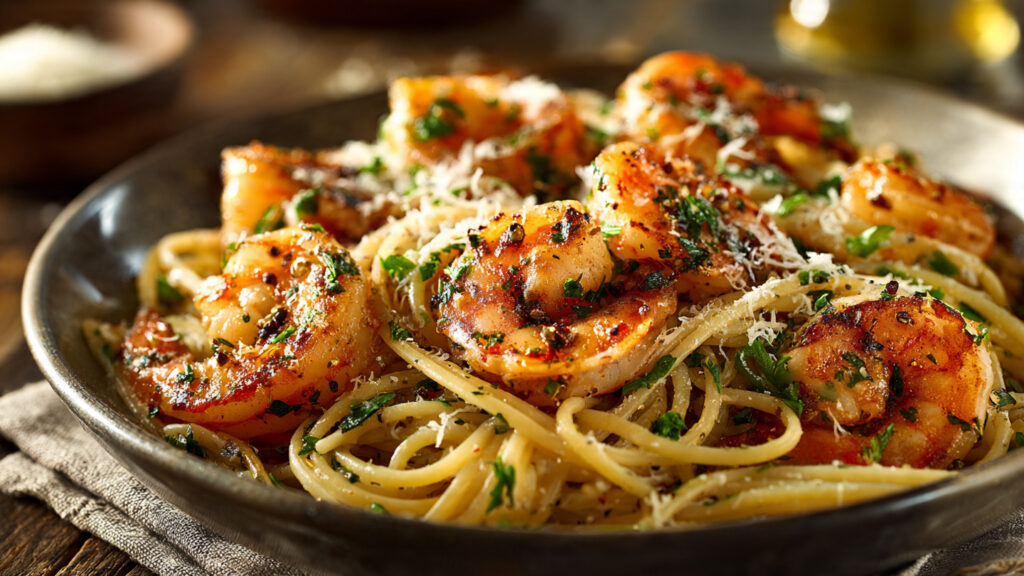
Get ready to fall in love with this Garlic Butter Shrimp Pasta – a restaurant-quality dish that comes together in just 20 minutes but tastes like you’ve spent hours in the kitchen! I created this recipe during a busy weeknight when I needed something quick, impressive, and absolutely delicious, and it has since become one of my most-requested meals. What makes this pasta so incredible is the luxurious garlic butter sauce that coats every strand of pasta and every succulent shrimp, creating the most irresistible combination of flavors. The shrimp cook to perfect tenderness in fragrant butter with tons of garlic, a splash of white wine (or chicken broth), bright lemon juice, and fresh herbs that tie everything together beautifully. This is the kind of dish that makes you feel like you’re dining at an upscale Italian restaurant, yet it’s so easy that it’s perfect for busy weeknights, romantic dinners at home, or whenever you want to impress without the stress. My family requests this at least twice a month, and I’ve served it to dinner guests who always ask for the recipe – which I happily share because everyone deserves to know how easy it is to create something this spectacular! Whether you’re a seafood lover, a garlic enthusiast, or just someone who appreciates good pasta, this garlic butter shrimp pasta is about to become your new signature dish!
Overview of Recipe Content
Garlic Butter Shrimp Pasta is perfect for busy weeknight dinners when you need something quick and satisfying, romantic date nights at home, dinner parties where you want to impress without spending hours cooking, special occasions that call for something elegant, using up shrimp in your freezer, or anytime you’re craving restaurant-quality Italian food. It’s a great recipe because it comes together in 20 minutes start to finish, uses simple ingredients you likely already have, requires only one pot plus a skillet (minimal cleanup!), delivers restaurant-quality flavors with minimal effort, and is easily customizable to your preferences. The flavor profile is luxurious yet balanced: sweet, tender shrimp with a slight brine from the sea, rich, velvety garlic butter sauce that’s indulgent but not heavy, bright lemon that cuts through the richness and adds freshness, aromatic garlic that’s mellow and sweet from cooking in butter, fresh herbs (parsley and basil) that add color and freshness, and optional red pepper flakes for a subtle kick. This recipe is perfect for busy professionals who want impressive quick dinners, seafood lovers, garlic enthusiasts, home cooks wanting to expand their pasta repertoire, anyone cooking for two or scaling for a crowd, or date night cooks seeking romance on a plate. It’s naturally adaptable for gluten-free (use GF pasta), dairy-free (use olive oil), and various dietary needs.
Ingredients
For the Pasta:
| Ingredient | Quantity |
|---|---|
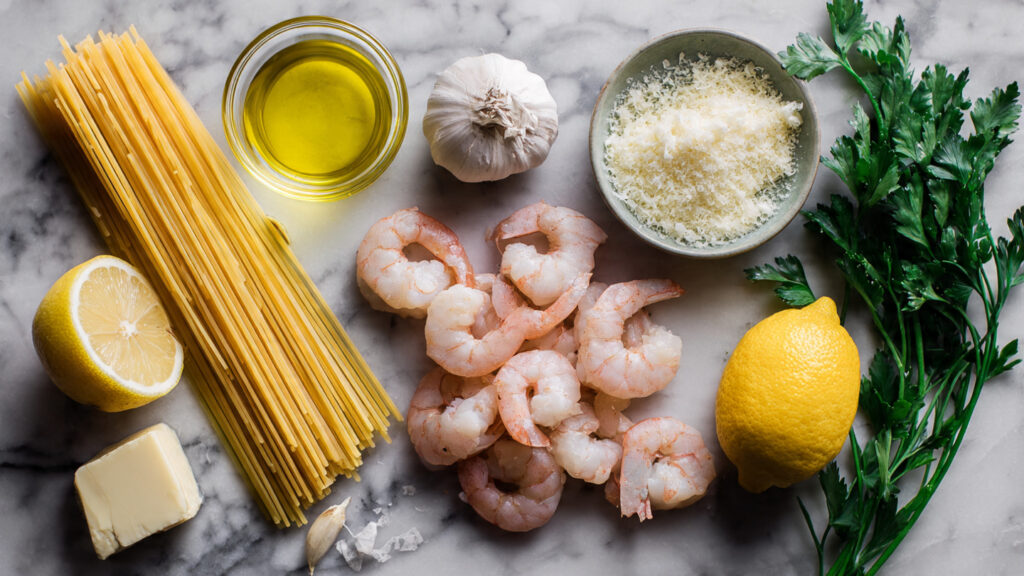
| Linguine, fettuccine, or spaghetti | 12 oz (340g) |
| Water for boiling | As needed |
| Salt (for pasta water) | 2 tablespoons |
| Olive oil (to prevent sticking) | 1 tablespoon |
For the Garlic Butter Shrimp:
| Ingredient | Quantity |
|---|---|
| Large shrimp (16-20 count), peeled and deveined | 1½ lbs (680g) |
| Unsalted butter, divided | 4 tablespoons (56g) |
| Olive oil, divided | 3 tablespoons |
| Garlic, minced | 6-8 cloves (about 2-3 tablespoons) |
| Dry white wine (or chicken broth) | ½ cup (120ml) |
| Fresh lemon juice (about 1 lemon) | 2 tablespoons |
| Lemon zest | 1 teaspoon |
| Red pepper flakes (optional, adjust to taste) | ½ teaspoon |
| Salt (or to taste) | ½ teaspoon |
| Black pepper | ¼ teaspoon |
| Pasta cooking water (reserved) | ½ cup (120ml) |
For Finishing:
| Ingredient | Quantity |
|---|---|
| Unsalted butter (for extra richness) | 2 tablespoons |
| Fresh parsley, chopped | ⅓ cup (20g) |
| Fresh basil, chopped or torn | ¼ cup (10g) |
| Grated Parmesan cheese (optional) | ¼ cup (25g) |
| Extra lemon wedges for serving | As needed |
| Additional red pepper flakes for garnish | To taste |
Tools Needed
- Large pot (for boiling pasta)
- Large skillet or sauté pan (12-inch ideal)
- Colander or strainer
- Tongs or pasta fork
- Wooden spoon or spatula
- Measuring cups and spoons
- Sharp knife and cutting board
- Garlic press or microplane (optional)
- Citrus juicer or reamer
- Large serving bowl or individual plates
- Ladle or measuring cup (for pasta water)
Suggested Substitutions and Additions
Shrimp Options:
- Large shrimp (16-20 count): Perfect size for this dish
- Jumbo shrimp: Impressive but cook slightly longer
- Medium shrimp: Cook faster, use 2 lbs for same volume
- Frozen shrimp: Thaw completely and pat very dry before cooking
- Pre-cooked shrimp: Add at the very end, just to warm through
- Shell-on shrimp: More flavorful but messier to eat
Protein Alternatives:
- Scallops: Cook 2-3 minutes per side until golden
- Chicken breast: Slice thin, cook fully before adding sauce
- Salmon: Cut into chunks, cook gently
- Mussels or clams: Add with wine, cook until shells open
- Mixed seafood: Combination of shrimp, scallops, and calamari
- Vegetarian: Use chickpeas, white beans, or extra vegetables
Pasta Variations:
- Linguine: Classic choice, flat noodles hold sauce well
- Fettuccine: Wider, more substantial
- Spaghetti: Traditional, always works
- Angel hair: Delicate, cooks very quickly (adjust time)
- Penne or rigatoni: Tube pasta catches sauce inside
- Gluten-free pasta: Use your favorite brand, follow package directions
- Zucchini noodles: Low-carb option, don’t boil, just toss with hot sauce
Wine Substitutes:
- Dry white wine (Pinot Grigio, Sauvignon Blanc): Best choice
- Chicken broth: Non-alcoholic, still flavorful
- Vegetable broth: Lighter option
- Clam juice: Adds seafood depth
- Water + lemon juice: Emergency substitute
- Vermouth: Interesting herbal notes
Butter Alternatives:
- Unsalted butter: Best for controlling salt
- Salted butter: Reduce added salt
- Ghee: Clarified butter, richer flavor
- Olive oil only: For dairy-free version
- Vegan butter: For plant-based diet
Flavor Enhancements:
- Add ½ cup cherry tomatoes, halved
- Include ½ cup baby spinach or arugula
- Mix in sun-dried tomatoes for sweetness
- Add artichoke hearts for Mediterranean flair
- Include capers for briny tang
- Add ¼ cup heavy cream for creamy version
- Stir in pesto for herbaceous depth
- Include white beans for protein and texture
- Add roasted red peppers for sweetness
- Mix in asparagus tips or green beans
Herb Variations:
- Parsley: Classic, fresh, mild
- Basil: Sweet, aromatic
- Cilantro: Different but delicious
- Tarragon: French, anise-like
- Dill: Pairs beautifully with seafood
- Chives: Mild onion flavor
- Oregano: Italian, more intense (use less)
Spice Adjustments:
- Add ½ teaspoon Old Bay seasoning
- Include ½ teaspoon smoked paprika
- Use ¼ teaspoon cayenne for more heat
- Add Italian seasoning for herb depth
- Include fresh thyme or rosemary
Dietary Modifications:
- Gluten-free: Use GF pasta
- Dairy-free: Replace butter with olive oil
- Low-carb: Use zucchini noodles or shirataki noodles
- Keto: Zoodles with extra butter and cheese
- Whole30: Use compliant ingredients, no wine, no cheese
How to Make Garlic Butter Shrimp Pasta
Step 1: Prepare Ingredients and Boil Pasta Water
Start by getting all your ingredients prepped and ready – this dish comes together quickly once you start cooking, so having everything within reach is essential! Pat your shrimp completely dry with paper towels – this is crucial for getting a nice sear instead of steaming them. Season the shrimp lightly with a pinch of salt and pepper, and set aside.
Mince your garlic (fresh is essential here!), chop your fresh herbs, zest and juice your lemon, and measure out all your other ingredients. Have everything arranged near your stove.
Fill a large pot with water and add 2 tablespoons of salt – the water should taste like the sea. Bring to a rolling boil over high heat. This will take about 10-15 minutes, so start it first. Once boiling, add your pasta and cook according to package directions until al dente (usually 8-10 minutes for dried pasta). IMPORTANT: Before draining, reserve at least 1 cup of the starchy pasta cooking water – you’ll need this for the sauce! Drain the pasta but don’t rinse it. Toss with a tiny drizzle of olive oil to prevent sticking, and set aside.
Step 2: Sear the Shrimp to Perfection
While the pasta is cooking, heat 2 tablespoons of olive oil and 1 tablespoon of butter in a large skillet over medium-high heat. The combination of oil and butter gives you the flavor of butter without burning (the oil raises the smoke point). Once the butter is melted and the pan is hot (you should see a shimmer), add half the shrimp in a single layer – don’t overcrowd! Overcrowding causes steaming instead of searing.
Cook the shrimp for 1-2 minutes on the first side without moving them – you want a nice pink color and slight golden sear. Flip and cook for another 1-2 minutes on the second side until the shrimp are just cooked through and opaque. Shrimp cook incredibly fast, so watch carefully! They’re done when they turn from translucent to opaque and form a “C” shape. If they curl into a tight “O” shape, they’re overcooked.
Transfer the cooked shrimp to a plate and repeat with the remaining shrimp, adding another tablespoon of oil and butter to the pan if needed. Don’t worry if the shrimp aren’t perfectly cooked – they’ll finish cooking when you toss everything together. Better to slightly undercook than overcook shrimp, which become rubbery!
Step 3: Build the Garlic Butter Sauce
Once all the shrimp are cooked and set aside, reduce the heat to medium. Add another tablespoon of butter and the remaining tablespoon of olive oil to the same skillet (don’t wipe it out – all those flavorful browned bits are gold!). Add all the minced garlic at once and the red pepper flakes if using.
Sauté for 30-60 seconds, stirring constantly, until the garlic is incredibly fragrant and just starting to turn golden – be very careful not to burn it! Burnt garlic is bitter and will ruin the dish. The moment you smell that amazing garlic aroma, you’re ready for the next step.
Pour in the white wine (or chicken broth) and use a wooden spoon to scrape up all those beautiful browned bits stuck to the bottom of the pan – this is called deglazing, and it adds incredible flavor to your sauce. Let the wine simmer for 2-3 minutes until it’s reduced by about half. You’ll see it bubbling and the liquid level will drop. This concentrates the flavor and burns off the alcohol while keeping the wine’s fruity, acidic notes.
Step 4: Finish the Sauce and Combine
Add the fresh lemon juice, lemon zest, salt, and black pepper to the reduced wine sauce. Stir to combine. The sauce should be thin and slightly acidic at this point – that’s perfect! Now add the final tablespoon or two of butter, swirling the pan to melt it into the sauce. This butter enriches the sauce and gives it a silky, glossy finish.
Add about ½ cup of the reserved pasta cooking water to the sauce and stir. The starchy pasta water is the secret ingredient that helps the sauce cling to the pasta and creates a cohesive, restaurant-quality dish. The sauce should look thin right now, but it will thicken as it combines with the pasta.
Add the cooked, drained pasta to the skillet with the sauce. Using tongs, toss the pasta in the sauce for 1-2 minutes, continuously lifting and turning to coat every strand. The pasta will absorb some of the sauce, and the starchy pasta water will help everything come together into a glossy, clingy coating. If the sauce seems too dry, add more pasta water a few tablespoons at a time. If it’s too soupy, let it cook another minute to reduce slightly.
Step 5: Add Shrimp and Fresh Herbs
Return all the cooked shrimp to the skillet with the pasta. Add most of the chopped fresh parsley and basil (reserve some for garnish). Toss everything together gently for 30-60 seconds, just until the shrimp are warmed through and everything is beautifully combined. The residual heat will finish cooking the shrimp perfectly and wilt the herbs slightly, releasing their aromatic oils.
Taste the pasta and adjust seasoning – you might want more salt, pepper, lemon juice, or red pepper flakes. The dish should be well-seasoned, garlicky, buttery, and bright with lemon. If you’re using Parmesan cheese, you can toss some in now or save it all for topping.
Step 6: Plate and Serve Immediately
This dish is best served immediately while it’s hot and the butter sauce is silky! Using tongs, twirl the pasta into nests on individual plates or transfer to a large serving platter. Make sure each serving gets plenty of shrimp – arrange them on top for beautiful presentation.
Drizzle any remaining sauce from the pan over the pasta. Garnish generously with the reserved fresh herbs, a sprinkle of grated Parmesan cheese if using, an extra pinch of red pepper flakes for color and heat, and place a lemon wedge on the side of each plate for squeezing.
Serve immediately with crusty bread for soaking up the amazing sauce, and watch as everyone’s eyes light up with that first bite!
What to Serve with It
Garlic Butter Shrimp Pasta is a fairly complete dish on its own, but certain sides can round out the meal beautifully. The most essential accompaniment is crusty Italian bread, garlic bread, or focaccia – you absolutely need something to soak up every last drop of that incredible garlic butter sauce! Toast thick slices and rub with garlic, or make quick garlic bread by spreading butter, garlic, and parsley on bread and broiling until golden.
A simple green salad with a light vinaigrette provides freshness and crunch that balances the rich pasta. Use mixed greens, arugula, or romaine with a lemon vinaigrette, balsamic dressing, or Caesar dressing. Keep it simple so it doesn’t compete with the pasta’s flavors.
Roasted or grilled vegetables make excellent sides: asparagus spears, broccolini, green beans, or roasted cherry tomatoes on the vine. Season simply with olive oil, salt, and pepper, and roast at 425°F for 10-15 minutes.
For a heartier meal, add bruschetta as an appetizer – toasted bread topped with tomatoes, basil, and garlic sets the perfect tone. Or start with caprese salad – fresh mozzarella, tomatoes, and basil with balsamic glaze.
For beverages, this pasta pairs beautifully with the same white wine you used in cooking – Pinot Grigio, Sauvignon Blanc, or a crisp Chardonnay all work wonderfully. The acidity cuts through the butter and complements the shrimp. Sparkling water with lemon or Italian lemon soda are excellent non-alcoholic options.
For dessert, keep it light and Italian: tiramisu, panna cotta, lemon sorbet, or affogato (vanilla gelato with espresso poured over) – something that won’t weigh you down after the rich pasta.
If feeding a crowd or making this a special occasion, create a full Italian feast: start with antipasto platter (olives, cheese, cured meats, marinated vegetables), serve the pasta as the main course, and finish with espresso and biscotti for an authentic Italian experience!
Tips for Making It Perfect
- Don’t overcook the shrimp: This is the #1 mistake! Shrimp cook incredibly fast – usually just 2-3 minutes total. They’re done when they turn pink and opaque and form a “C” shape. Overcooked shrimp are rubbery and tough. When in doubt, slightly undercook them in the initial sear since they’ll finish cooking when you toss them with the hot pasta. Pull them off heat as soon as they’re just opaque.
- Use plenty of garlic: This is garlic butter shrimp pasta – don’t be shy! Six to eight cloves of garlic might seem like a lot, but when you sauté garlic in butter, it becomes mellow, sweet, and aromatic rather than harsh and pungent. Fresh garlic is essential – jarred minced garlic or garlic powder won’t deliver the same depth of flavor.
- Reserve that pasta water: This is your secret weapon! The starchy, salty pasta water helps the sauce cling to the pasta and brings everything together into a cohesive dish. Always reserve at least 1 cup before draining. Add it gradually to the sauce until you reach the perfect consistency – the sauce should coat the pasta without being dry or soupy.
- Don’t rinse the pasta: Rinsing washes away the starch that helps the sauce adhere. Drain the pasta and immediately toss it with the sauce while it’s still hot and slightly wet. This ensures maximum sauce absorption and the best texture.
- Pat shrimp very dry: Wet shrimp will steam instead of sear, and they won’t get that beautiful golden color. Pat them thoroughly with paper towels before seasoning and cooking. Dry shrimp also prevents dangerous splattering when they hit the hot oil.
- Cook in batches if needed: Don’t overcrowd the pan when searing shrimp. They should fit in a single layer with some space between each one. If your pan isn’t large enough, cook in two batches. Crowding causes steaming instead of searing, and you’ll miss out on that beautiful golden color and concentrated flavor.
- Finish with fresh herbs and lemon: The fresh parsley and basil added at the end bring brightness and freshness that cuts through the richness of the butter. The fresh lemon juice adds acidity that balances the dish and makes it taste lighter and more vibrant. Don’t skip these final touches – they transform the dish from good to spectacular!
Storage Instructions
Immediate Serving: This dish is absolutely best served immediately while hot – the butter sauce is silky, the pasta is perfectly coated, and the shrimp are tender. Pasta in butter sauce doesn’t hold well because the pasta continues to absorb the sauce, and the butter can solidify as it cools.
Refrigerator: If you have leftovers, store them in an airtight container in the refrigerator for up to 2 days. The pasta will absorb most of the sauce and become drier, and the shrimp may become slightly rubbery. This is the nature of butter-based pasta – it’s meant to be eaten fresh.
Reheating: To reheat, add the pasta to a skillet with a few tablespoons of water, chicken broth, or olive oil over medium-low heat. Toss gently until warmed through, adding more liquid as needed to recreate the sauce. You can also microwave individual portions for 1-2 minutes, stirring halfway through, adding a splash of water or broth to help rehydrate. The shrimp may overcook slightly when reheating, so warm gently and don’t overheat.
Freezing: I don’t recommend freezing this dish. Shrimp can become rubbery when frozen and reheated, and the butter sauce doesn’t freeze or reheat well. If you must freeze, freeze only the cooked shrimp (without sauce) for up to 1 month, and prepare fresh pasta and sauce when ready to eat.
Make-Ahead Strategy: For the best results when entertaining, prep everything ahead: cook and peel shrimp earlier in the day (refrigerate), chop herbs, mince garlic, and measure ingredients. When ready to serve, boil fresh pasta and make the sauce – it only takes 15 minutes! This way you get the best texture and flavor without last-minute stress.
Meal Prep Considerations: This isn’t an ideal meal prep recipe due to the butter sauce and quick-cooking shrimp. If you want to meal prep, consider preparing the components separately: cook plain pasta, prepare and refrigerate cooked shrimp, and store the sauce components separately. Combine and heat when ready to eat.
General Information
Garlic butter shrimp pasta, often called “Scampi-style pasta” or “Shrimp Scampi,” has its roots in Italian-American cuisine rather than traditional Italian cooking. “Scampi” actually refers to a type of small lobster found in the Adriatic Sea (similar to langoustines), but in American cuisine, the term has come to describe a cooking method: seafood (particularly shrimp) sautéed in garlic, butter, white wine, and lemon.
The dish became popular in Italian-American restaurants in the mid-20th century, particularly on the East Coast where fresh seafood was abundant. It represents the Italian-American tradition of adapting Italian techniques and flavors to readily available American ingredients – in Italy, you’d more commonly find this preparation with local scampi, prawns, or other crustaceans native to Italian waters.
The combination of garlic and butter is fundamental to both Italian and French cooking, though Italians more traditionally use olive oil as their primary fat. The butter-heavy version we know in America reflects French influences and American tastes for rich, creamy dishes. The addition of pasta to shrimp scampi specifically evolved in Italian-American restaurants where pasta was the star of most menus.
What makes this dish so universally appealing is the combination of luxury ingredients (shrimp) with pantry staples (garlic, butter, pasta) to create something that feels special but is accessible and quick to prepare. It’s the kind of dish that bridges casual weeknight cooking and special occasion dining – fancy enough to serve to guests, simple enough to make on a Tuesday.
The enduring popularity of garlic butter shrimp pasta speaks to our love of bold flavors, tender seafood, and sauces so good you need bread to soak up every drop. It’s comfort food with sophistication, a restaurant classic that’s easily achievable at home, and proof that sometimes the simplest combinations create the most memorable meals.
In recent years, this dish has seen a resurgence in popularity through social media food content, where the sight of shrimp tossed with glistening pasta in garlic butter sauce is irresistibly photogenic and shareable!
Frequently Asked Questions (FAQ)
Q: Can I use frozen shrimp? A: Absolutely! Frozen shrimp are often fresher than “fresh” shrimp at the grocery store since they’re frozen on the boat immediately after catching. Thaw them overnight in the refrigerator, or for quick thawing, place them in a colander under cold running water for 10-15 minutes. The most important step: pat them completely dry with paper towels before cooking. Excess moisture prevents proper searing and can make your dish watery.
Q: My sauce turned out greasy and separated – what went wrong? A: Separated butter sauce usually happens when: (1) The heat was too high, causing the butter to break, (2) You didn’t use enough pasta water to emulsify the sauce, or (3) You added cold butter to a very hot pan. To prevent: keep heat at medium or medium-low when building the sauce, add butter gradually while swirling the pan, and use the starchy pasta water to bind everything together. If it does separate, add a tablespoon of pasta water and whisk vigorously off heat.
Q: Can I make this without wine? A: Yes! Replace the white wine with chicken broth, vegetable broth, or even just water with an extra tablespoon of lemon juice. The wine adds acidity and depth, but broth works well and the lemon provides the necessary brightness. The dish will taste slightly different but still delicious. If you avoid alcohol for religious or health reasons, know that most of the alcohol cooks off during the reduction, but broth is a perfectly good substitute.
Q: My shrimp are rubbery – how do I prevent this? A: Rubbery shrimp are overcooked shrimp! Shrimp cook incredibly fast – usually 1-2 minutes per side, 3-4 minutes total. They’re done the moment they turn pink and opaque. Pull them off heat while they still have a slight translucency in the very center – they’ll finish cooking with residual heat when you toss them with the pasta. Use a timer if needed! Also, avoid cooking them twice: if they’re pre-cooked, just warm them briefly at the end rather than cooking them first.
Q: What pasta shape works best? A: Long, thin pasta like linguine, spaghetti, or fettuccine is traditional and works beautifully because the strands wrap around the shrimp and hold the sauce well. Angel hair is great but delicate and cooks very quickly. Tube pastas like penne can work but are less traditional – the sauce gets trapped inside the tubes rather than coating the pasta. For the most authentic experience, stick with long pasta!
Q: Can I make this dairy-free? A: Yes! Replace all the butter with high-quality olive oil (you’ll need about ½ cup total). The flavor will be different – more Mediterranean and less rich – but still absolutely delicious. Skip the Parmesan or use a dairy-free alternative. The olive oil version is actually closer to how this dish would be made in coastal Italian regions where olive oil is the primary fat.
Q: How do I know when shrimp are done? A: Look for these signs: (1) Color change from translucent gray to opaque pink/white, (2) Shape forms a loose “C” – if it curls into a tight “O” it’s overcooked, (3) Firmness – they should feel firm but not hard when touched, (4) White appearance all the way through with no translucent areas. When in doubt, cut one open – the flesh should be opaque throughout. Remember, they cook fast! Better to undercook slightly than overcook.
Conclusion
I’m so excited for you to make this Garlic Butter Shrimp Pasta and experience just how easy it is to create restaurant-quality Italian food right in your own kitchen! This recipe has all the elements of a perfect meal: quick and easy for busy nights, impressive enough for special occasions, and so delicious that you’ll want to make it again and again. The combination of tender shrimp, garlic-infused butter sauce, and perfectly cooked pasta is simply unbeatable.
I’d absolutely love to hear how your garlic butter shrimp pasta turned out! Please leave a comment below sharing your experience, any variations you tried, or what you served it with. If this recipe made you feel like a professional chef and had everyone asking for seconds, please give it a five-star rating – it helps other home cooks discover this amazing recipe!
Don’t forget to snap a photo of your beautiful pasta (especially that glossy garlic butter sauce coating everything!) and share it on Instagram – tag me so I can see your delicious creation and celebrate your cooking success! And please pin this recipe to your “Quick Dinners,” “Pasta Recipes,” or “Seafood Favorites” boards on Pinterest so you’ll always have it when you need something fast, impressive, and absolutely delicious. Happy cooking, and may your shrimp always be tender and your garlic butter sauce always be perfect!
Nutritional Information (per serving)
Based on 4 servings
| Nutrient | Amount |
|---|---|
| Calories | 585 |
| Total Fat | 24g |
| Saturated Fat | 10g |
| Trans Fat | 0g |
| Cholesterol | 275mg |
| Sodium | 780mg |
| Total Carbohydrates | 56g |
| Dietary Fiber | 3g |
| Sugars | 3g |
| Protein | 38g |
| Vitamin A | 15% DV |
| Vitamin C | 18% DV |
| Calcium | 125mg |
| Iron | 4mg |
| Potassium | 385mg |
Note: Nutritional values are approximate and may vary based on specific brands, portion sizes, type of pasta used, and whether optional ingredients like Parmesan cheese are included. This is a balanced meal with lean protein, complex carbohydrates, and healthy fats.