Spicy Chili Beef Stir Fry
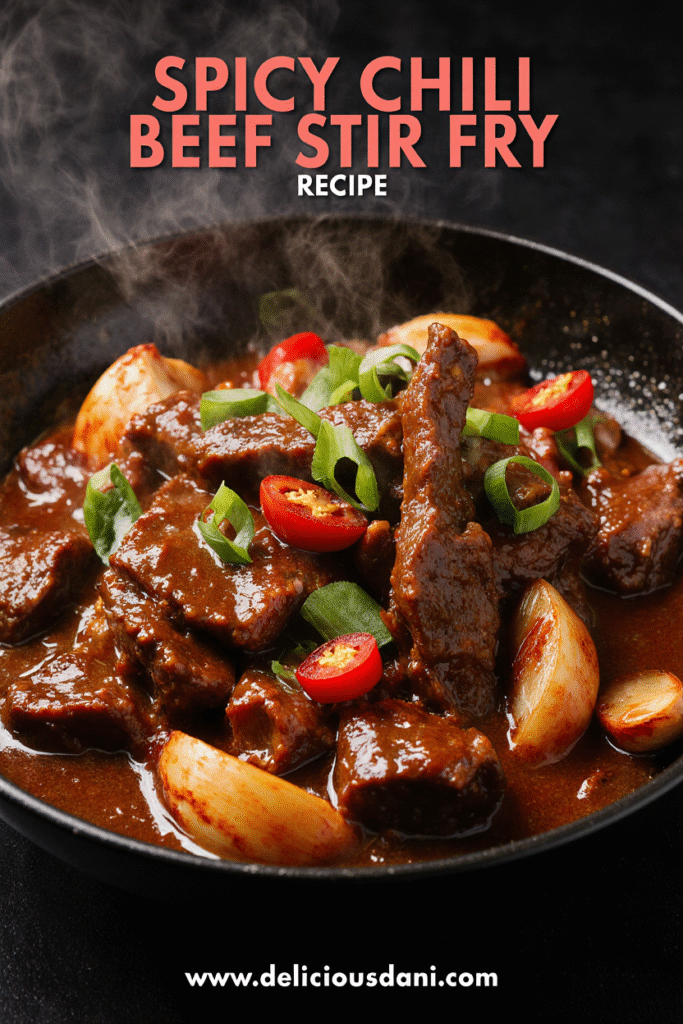
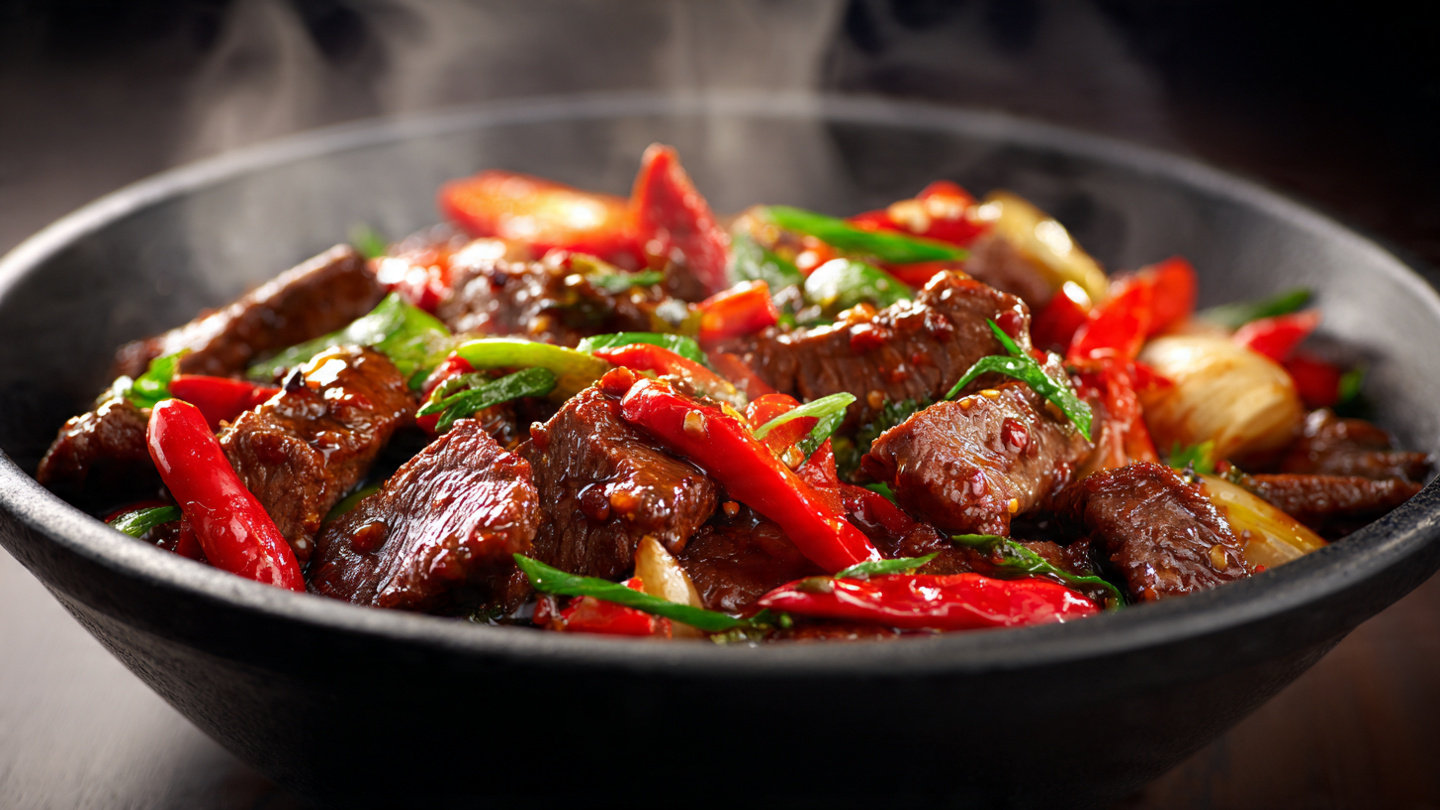
Get ready to ignite your taste buds with this Spicy Chili Beef Stir Fry – a blazing-hot, flavor-packed dish that rivals any Chinese takeout but comes together in your own kitchen in just 20 minutes! I developed this recipe during my quest to recreate that perfect Szechuan-style beef from my favorite Chinese restaurant, and after countless experiments with different chilis, spices, and techniques, I finally nailed it. What makes this stir fry absolutely incredible is the perfect balance of fiery heat, savory depth, and just a touch of sweetness, all coating tender strips of beef and crisp vegetables in a glossy, addictive sauce. The beef is velveted (a Chinese technique that creates restaurant-quality tenderness), the sauce is layered with complex flavors from multiple sources of heat and umami, and the whole dish has that elusive “wok hei” – the breath of the wok – that smoky, charred flavor that makes restaurant stir fries so special. This recipe has become my family’s favorite Friday night dinner, my go-to when I’m craving something bold and exciting, and the dish that always impresses dinner guests who can’t believe I made it at home. Whether you’re a spice lover, a stir fry enthusiast, someone trying to master Chinese cooking techniques, or just craving takeout but wanting to make it yourself, this spicy chili beef is about to become your new obsession!
Overview of Recipe Content
Spicy Chili Beef Stir Fry is perfect for quick weeknight dinners when you’re craving takeout, spice lovers who want serious heat, impressing dinner guests with restaurant-quality Chinese food, using up that flank or sirloin steak in your fridge, date nights at home that need excitement, meal prep for spicy lunch bowls all week, or anytime you want bold flavors that wake up your palate. It’s a great recipe because it comes together in about 20-25 minutes total, uses a traditional velveting technique that makes beef incredibly tender, delivers authentic Szechuan-style flavors at home, provides adjustable heat levels for different spice tolerances, requires only one wok or large skillet (minimal cleanup!), and is naturally low-carb and keto-friendly (without the rice). The flavor profile is intensely bold and complex: spicy heat from multiple sources (fresh chilis, chili paste, chili oil, Szechuan peppercorns), savory umami depth from soy sauce, oyster sauce, and garlic, subtle sweetness that balances the heat and rounds out flavors, aromatic ginger and garlic that create fragrance, tender, silky beef with caramelized edges, and crisp-tender vegetables that provide textural contrast. This recipe is perfect for spice enthusiasts and heat seekers, home cooks wanting to master Chinese cooking techniques, anyone craving takeout but wanting control over ingredients and spice level, stir fry lovers looking to expand their repertoire, low-carb and keto dieters (serve without rice), and adventurous eaters who appreciate bold, complex flavors. It’s naturally gluten-free with tamari, dairy-free, and easily adaptable for various dietary needs.
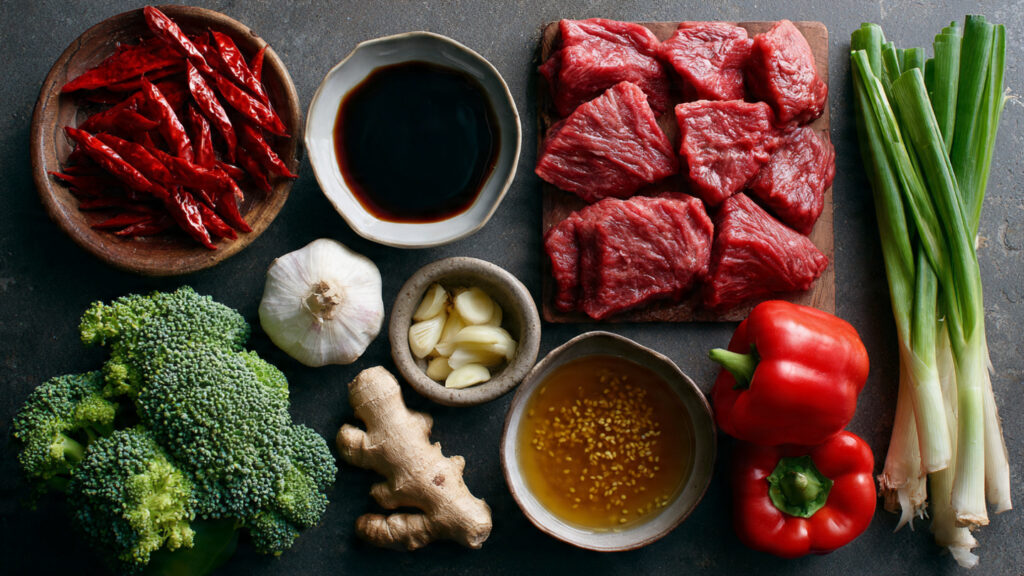
Ingredients
For the Beef and Marinade (Velveting):
- 1 lb (450g) flank steak, sirloin, or ribeye, thinly sliced against the grain
- 1 tablespoon soy sauce or tamari
- 1 tablespoon Shaoxing wine (or dry sherry)
- 1 tablespoon cornstarch
- 1 teaspoon sesame oil
- 1 egg white (optional, for extra tenderness)
- ½ teaspoon baking soda (optional, for maximum tenderness)
For the Spicy Stir Fry Sauce:
- 3 tablespoons soy sauce or tamari
- 2 tablespoons oyster sauce
- 1 tablespoon rice vinegar
- 1 tablespoon brown sugar or honey
- 1 tablespoon chili paste (gochugaru, sambal oelek, or doubanjiang)
- 1 tablespoon chili oil (with sediment)
- 2 teaspoons cornstarch
- ¼ cup (60ml) beef broth or water
- 1 teaspoon sesame oil
For Stir Frying:
- 3-4 tablespoons vegetable oil (divided)
- 6-8 dried red chilis (árbol or Szechuan)
- 1 teaspoon Szechuan peppercorns (optional but recommended)
- 6 cloves garlic, minced
- 2-inch piece fresh ginger, minced
- 2-3 fresh red chilis (Thai, serrano, or jalapeño), sliced
- 1 red bell pepper, cut into strips
- 1 green bell pepper, cut into strips
- 1 medium onion, cut into wedges
- 3-4 green onions, cut into 2-inch pieces
- Optional vegetables: snap peas, broccoli, baby corn
For Garnish:
- Fresh cilantro, chopped
- Sesame seeds (white or black)
- Extra sliced fresh chilis
- Lime wedges
Tools Needed
- Large wok or large skillet (12-14 inch)
- Sharp knife and cutting board
- Mixing bowls (2-3)
- Measuring cups and spoons
- Whisk or fork
- Tongs or spatula
- Plate for cooked beef
- Small bowl for sauce mixture
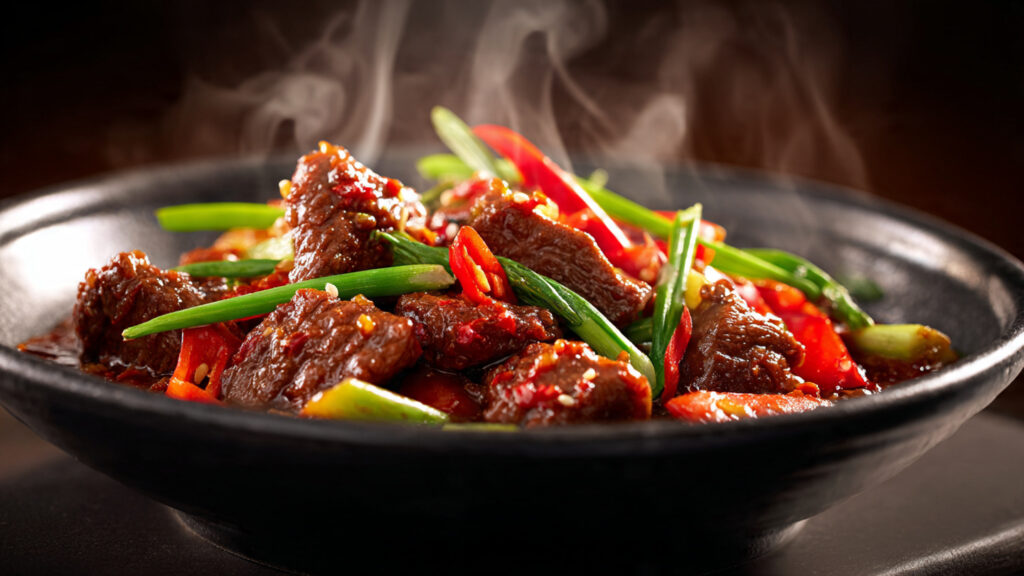
Suggested Substitutions and Additions
Beef Cuts:
- Flank steak: Lean, flavorful, traditional (recommended)
- Sirloin: Tender, widely available
- Ribeye: More marbling, very tender, expensive
- Skirt steak: Similar to flank, slightly more tender
- Top round: Lean, affordable, needs velveting
- Beef tenderloin: Most tender, expensive
- Chuck roast: More affordable, needs proper slicing
Protein Alternatives:
- Chicken breast or thigh: Slice thin, velvet same way
- Pork tenderloin: Lean, tender alternative
- Shrimp: Quick-cooking, no velveting needed
- Tofu: Extra-firm, pressed and cubed for vegetarian
- Seitan: Wheat-based meat alternative
- Mushrooms: Shiitake or king oyster for vegetarian
Chili Options (Adjust for Heat Level):
- Mild: Reduce to 2-3 dried chilis, use mild fresh peppers, reduce chili paste
- Medium: As written in recipe
- Hot: Double dried chilis, add cayenne, use Thai bird’s eye chilis
- Extra Hot: Add fresh habanero, increase chili oil, add extra Szechuan peppercorns
- Chili varieties: Árbol (medium-hot), Thai (very hot), Szechuan (numbing heat), jalapeño (mild-medium), serrano (medium-hot)
Soy Sauce Substitutes:
- Regular soy sauce: Standard choice
- Tamari: Gluten-free, slightly richer
- Low-sodium soy sauce: For salt control
- Coconut aminos: Soy-free, slightly sweet
- Dark soy sauce: Adds color, less salty
Wine Alternatives:
- Shaoxing wine: Traditional Chinese cooking wine (best)
- Dry sherry: Good substitute
- Mirin: Sweeter, use less sugar if using
- White wine: Dry varieties work
- Rice wine: Japanese sake works
- Omit: Add extra broth if avoiding alcohol
Chili Paste Options:
- Doubanjiang: Fermented broad bean paste, most authentic
- Gochugaru: Korean chili flakes, fruity heat
- Sambal oelek: Indonesian, fresh chili flavor
- Sriracha: Sweeter, milder
- Harissa: North African, different but delicious
- Chili garlic sauce: Convenient alternative
Vegetable Variations:
- Standard: Bell peppers, onions, green onions
- Asian vegetables: Bok choy, Chinese broccoli (gai lan), snow peas, water chestnuts
- Mushrooms: Shiitake, oyster, button
- Leafy greens: Spinach, baby bok choy (add at end)
- Aromatics: Add lemongrass, Thai basil
- Crunchy: Celery, bamboo shoots, bean sprouts
Sauce Enhancements:
- Add 1 tablespoon hoisin sauce for sweetness
- Include 1 teaspoon five-spice powder
- Add 1 tablespoon black bean sauce
- Include 2 teaspoons fish sauce for umami
- Add 1 teaspoon white pepper
- Include lime juice for brightness
- Add 1 tablespoon peanut butter for richness
Garnish Options:
- Fresh herbs: Cilantro, Thai basil, mint
- Seeds: Sesame (white or black), crushed peanuts
- Crispy elements: Fried garlic, fried shallots
- Heat: Extra fresh sliced chilis, chili oil drizzle
- Citrus: Lime or lemon wedges
- Crunch: Roasted cashews or peanuts
Dietary Modifications:
- Gluten-free: Use tamari, ensure all sauces are GF
- Low-carb/Keto: Already low-carb! Serve with cauliflower rice
- Paleo: Use coconut aminos, omit cornstarch (sauce will be thinner)
- Whole30: Use compliant ingredients, no sugar
- Vegetarian/Vegan: Use tofu or mushrooms, skip oyster sauce or use vegetarian version
- Low-sodium: Use low-sodium soy sauce, reduce salt
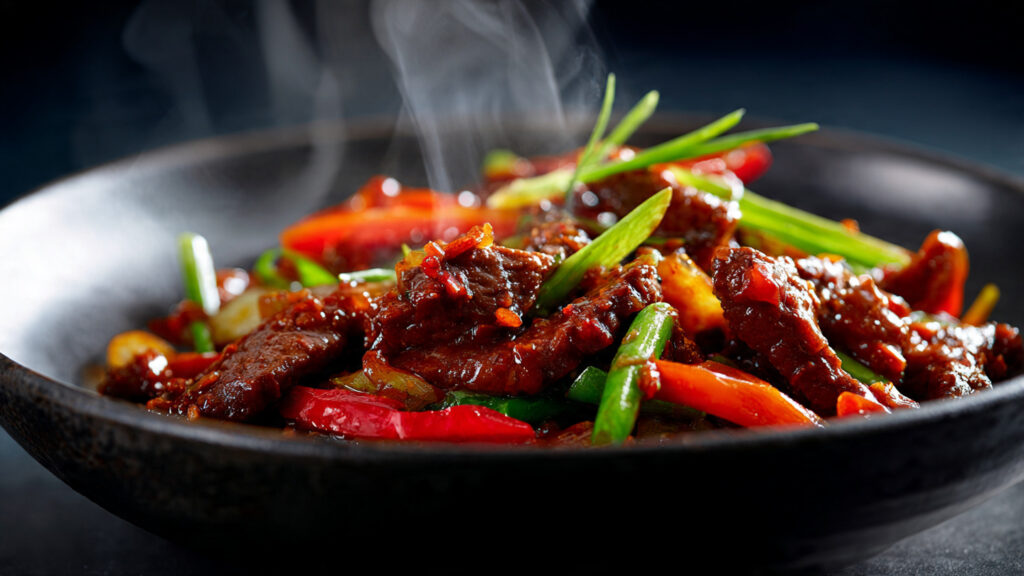
How to Make Spicy Chili Beef Stir Fry
Step 1: Slice and Velvet the Beef
This is the most crucial step for restaurant-quality tender beef! Start by placing your beef in the freezer for 15-20 minutes – this firms it up and makes slicing much easier and more precise. Remove from freezer and, using a very sharp knife, slice the beef across the grain (perpendicular to the muscle fibers) into thin strips about ⅛-¼ inch thick. Slicing against the grain is critical for tenderness – it shortens the muscle fibers, making the meat easier to chew.
In a medium bowl, combine the sliced beef with the marinade ingredients: soy sauce, Shaoxing wine, cornstarch, sesame oil, and optional egg white and baking soda. Mix thoroughly with your hands, massaging the marinade into every piece of beef. The cornstarch and egg white create a protective coating that seals in juices and creates that silky, tender texture. The baking soda (if using) tenderizes by raising the pH of the meat’s surface.
Let the beef marinate for at least 15 minutes at room temperature, or up to 2 hours in the refrigerator. If refrigerated, bring to room temperature before cooking – cold meat added to a hot wok lowers the temperature too much and causes steaming instead of searing. This velveting technique is the secret to Chinese restaurant-quality tender beef!
Step 2: Prepare the Sauce and Vegetables
While the beef marinates, prepare everything else – stir frying happens fast, so you need everything ready! In a small bowl, whisk together all the sauce ingredients: soy sauce, oyster sauce, rice vinegar, brown sugar, chili paste, chili oil, cornstarch, broth, and sesame oil. Whisk until the cornstarch is completely dissolved and the sauce is smooth. Set aside near your stove.
Prepare all your vegetables: slice bell peppers into strips, cut onion into wedges, slice fresh chilis, mince garlic and ginger, and cut green onions into 2-inch pieces. Arrange everything on a plate or cutting board in the order you’ll add them – this is called mise en place and it’s essential for successful stir frying. Have your dried chilis and Szechuan peppercorns measured and ready.
The key to great stir fry is having everything prepared before you turn on the heat – once you start cooking, things move very quickly and there’s no time to chop vegetables or mix sauce!
Step 3: Sear the Beef (First Cook)
Heat your wok or large skillet over high heat until it’s smoking hot – this is crucial! Add 2 tablespoons of vegetable oil and swirl to coat the entire surface. The oil should shimmer and smoke slightly. Working in batches (don’t overcrowd!), add half the beef in a single layer, spreading it out so pieces don’t touch. Let it sit undisturbed for 45-60 seconds to develop a nice sear and caramelization.
Flip or toss the beef and cook for another 30-45 seconds until the beef is about 70-80% cooked – it should still have a bit of pink showing. It’s okay if it’s not completely cooked; it will finish cooking when you add it back to the wok later. Transfer the seared beef to a plate and repeat with the remaining beef, adding another tablespoon of oil if needed.
Critical tip: Don’t stir the beef constantly! Let it sit to develop that beautiful sear and smoky “wok hei” flavor. Constant stirring causes steaming instead of searing. High heat and minimal stirring are the secrets to restaurant-style stir fry!
Step 4: Fry the Aromatics and Chilis
Reduce heat to medium-high. Add 1 tablespoon of fresh oil to the wok (the oil absorbs flavors from what you’ve cooked, so fresh oil tastes better). Immediately add the dried red chilis and Szechuan peppercorns (if using). Fry for 20-30 seconds, stirring constantly, until they’re fragrant and the chilis darken slightly – be careful not to burn them or they’ll turn bitter! The dried chilis should puff up slightly and release their smoky, spicy aroma.
Add the minced garlic and ginger, and the sliced fresh chilis. Stir-fry for 30 seconds until incredibly fragrant – your kitchen should smell amazing! The garlic should just start to turn golden but not brown. This step creates the aromatic foundation that permeates the entire dish.
Watch the heat carefully during this step – garlic and ginger burn quickly on high heat and burnt garlic tastes acrid and bitter. If things are browning too fast, reduce heat to medium.
Step 5: Stir Fry the Vegetables
Increase heat back to high. Add the bell peppers and onion wedges to the wok. Stir-fry vigorously for 2-3 minutes, tossing constantly, until the vegetables are crisp-tender – they should still have some crunch and bright color, not be soft and limp. The edges might char slightly, which adds delicious smoky flavor.
If using harder vegetables like broccoli or snap peas, add them first and cook a bit longer. If using delicate vegetables like baby bok choy or spinach, add them at the very end just to wilt. The goal is crisp-tender vegetables with a slight char and vibrant color.
Push the vegetables to the sides of the wok, creating a well in the center. This technique allows you to work with high heat in the center while keeping the vegetables warm on the cooler sides.
Step 6: Combine and Finish with Sauce
Give your sauce mixture one final whisk (the cornstarch settles), then pour it into the center well of the wok. Let it bubble and thicken for 20-30 seconds, stirring constantly – you’ll see it transform from thin and watery to thick and glossy. The cornstarch activates when heated, creating that signature glossy, clingy stir fry sauce.
Return all the cooked beef (and any accumulated juices) to the wok. Add the green onion pieces. Toss everything together vigorously for 1-2 minutes, ensuring every piece of beef and every vegetable is coated in the thick, glossy, spicy sauce. The beef will finish cooking during this time and absorb the flavors of the sauce.
Taste and adjust seasoning if needed – you might want a splash more soy sauce for saltiness, a drizzle of chili oil for extra heat, or a pinch of sugar for balance. The sauce should coat everything beautifully, not pool at the bottom of the wok. If it’s too thick, add a tablespoon of water; if too thin, let it cook another 30 seconds to reduce.
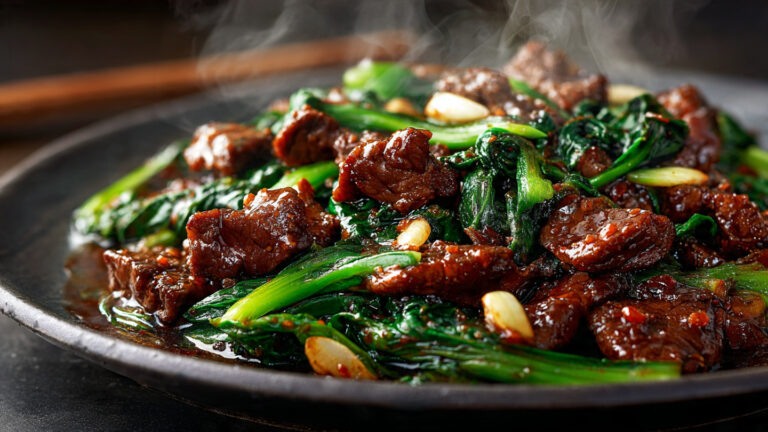
Remove from heat immediately and transfer to a serving platter. Garnish with fresh cilantro, sesame seeds, and extra sliced fresh chilis if desired. Serve immediately while piping hot!
What to Serve with It
Spicy Chili Beef Stir Fry is intensely flavorful and benefits from mild accompaniments that balance the heat and provide textural contrast. The classic pairing is steamed white rice (jasmine or long-grain) – plain, fluffy rice is perfect for soaking up the spicy sauce and providing a neutral base that lets the beef shine. Brown rice offers more fiber and nuttier flavor, while fried rice (make it ahead or use day-old rice) adds another layer of flavor.
For low-carb options, serve over cauliflower rice (season it lightly), zucchini noodles (toss with sesame oil), shirataki noodles (rinse well and dry-fry first), or simply eat it as-is as a low-carb main dish.
Noodle options work beautifully: lo mein noodles (toss the stir fry with cooked noodles), rice noodles (soak and drain, stir-fry briefly with the dish), udon noodles (thick and chewy, absorb sauce well), or ramen noodles (discard seasoning packet, use just the noodles).
Side dishes that complement the heat: cucumber salad (cooling, refreshing, vinegar-based), Asian slaw (cabbage, carrots, sesame dressing), edamame (steamed, salted), spring rolls (fresh or fried for different textures), wonton soup (mild, soothing for spice relief), egg drop soup (simple, comforting), or steamed dumplings (potstickers or gyoza).
Beverages to pair with spicy food: Cold beer (lager, pilsner, or wheat beer), Riesling or Gewürztraminer wine (off-dry whites that complement spice), iced tea (unsweetened or lightly sweetened), coconut water (naturally cooling), Thai iced tea (sweet and creamy, balances heat), or sake (cold or hot, cleanses palate).
For cooling down the heat, serve with plain yogurt or sour cream on the side (dairy helps neutralize capsaicin), sliced cucumber (cooling and refreshing), lime wedges (acid helps cut heat), or pickled vegetables (sweet and sour contrast).
For a complete Chinese feast, serve alongside other dishes: egg rolls or spring rolls, hot and sour soup, steamed broccoli with oyster sauce, mapo tofu (if you really love spice!), or sesame chicken (for guests who prefer milder options).
Tips for Making It Perfect
- Slice beef thin and against the grain: This is non-negotiable for tender beef! Freezing the beef for 15-20 minutes makes slicing much easier and more precise. Always slice perpendicular to the muscle fibers (against the grain) – look for the lines in the meat and cut across them, not parallel to them. Thin slices (⅛-¼ inch) cook quickly and stay tender.
- Don’t skip the velveting step: This is the secret to Chinese restaurant-quality tender beef! The marinade with cornstarch and egg white creates a protective coating that seals in juices and creates that silky texture. Even tough cuts become tender with proper velveting. Let it marinate for at least 15 minutes – it makes all the difference!
- Use high heat and don’t overcrowd the wok: This is crucial for achieving “wok hei” (breath of the wok) – that smoky, charred flavor that makes restaurant stir fry so special. Your wok should be smoking hot before you add food. Cook beef in batches rather than crowding – crowded meat steams instead of sears. High heat + space = caramelization and flavor!
- Have everything prepped before you start cooking: Stir frying happens in 5-10 minutes once you start, and there’s no time to stop and chop vegetables or mix sauce. Prepare all ingredients, arrange them in order of use, and have them within arm’s reach of the stove. This mise en place is essential for successful stir frying!
- Don’t over-stir the beef initially: When you first add beef to the smoking-hot wok, let it sit undisturbed for 45-60 seconds to develop a sear. Constant stirring causes steaming and you’ll miss out on that delicious caramelized crust. After the initial sear, you can toss more frequently, but that first minute of sitting is crucial.
- Adjust heat level to your preference: This recipe as written is moderately-hot to hot. To make it milder: reduce dried chilis to 2-3, use mild fresh peppers, reduce chili paste by half, and skip Szechuan peppercorns. To make it hotter: double everything spicy, add cayenne pepper, use Thai bird’s eye chilis, and finish with extra chili oil. Start conservative and add heat as you go!
- Serve immediately for best texture: Stir fry is best eaten the moment it’s cooked – the vegetables are at peak crispness, the sauce is perfectly clingy, and everything is piping hot. As it sits, vegetables release water, sauce thins out, and the magic fades. If serving guests, have rice ready and waiting, then stir fry right before eating!
Storage Instructions
Immediate Serving: This dish is absolutely best served immediately – the beef is at its most tender, vegetables are crisp, and the sauce is perfectly thick and clingy. Stir fry doesn’t hold well because vegetables continue to release water and the sauce becomes thin.
Refrigerator: Store leftovers in an airtight container in the refrigerator for up to 3 days. The vegetables will soften and release liquid, making the sauce thinner, and the beef may become slightly tougher as it cools. The flavors will continue to develop and may actually intensify, especially the spiciness!
Reheating: Reheat in a wok or skillet over high heat, tossing constantly, for 2-3 minutes until heated through. Add a tablespoon of water or broth if the sauce has been absorbed. You can also microwave individual portions for 1-2 minutes, stirring halfway through, but the texture won’t be as good – the beef may toughen and vegetables will be soft rather than crisp-tender. Avoid reheating more than once.
Freezing: I don’t recommend freezing this dish. The vegetables become very soft and mushy when thawed, and the texture of the velveted beef changes (becomes tougher and drier). If you must freeze, freeze only the cooked beef in sauce (without vegetables) for up to 2 months. Thaw overnight in refrigerator and reheat, then add freshly stir-fried vegetables.
Meal Prep: For meal prep, store the cooked beef and sauce separately from freshly cut raw vegetables. When ready to eat, reheat the beef and sauce in a skillet, then add raw vegetables and stir-fry briefly until crisp-tender. This gives you much better texture than reheating everything together. Store rice separately and reheat when needed.
Make-Ahead Strategy: You can prep components ahead: Slice and velvet beef up to 4 hours ahead (refrigerate), mix sauce up to 2 days ahead (refrigerate, whisk before using), prep vegetables up to 1 day ahead (store in containers with damp paper towel). When ready to cook, bring beef to room temperature and stir-fry as directed – only takes 10 minutes of active cooking!
Leftover Ideas: Transform leftovers into fried rice (chop the beef and vegetables, stir-fry with day-old rice), lettuce wraps (use iceberg or butter lettuce cups), spring roll filling (wrap in rice paper with fresh herbs), rice bowls (top rice with reheated stir fry and a fried egg), or noodle soup (add to broth with noodles and bok choy).
General Information
Stir frying is one of the world’s oldest and most efficient cooking techniques, dating back over 2,000 years to the Han Dynasty in China. The technique emerged as a response to fuel scarcity – cooking food quickly over high heat in a rounded wok required less fuel than other methods. The wok’s shape allows for different heat zones (very hot at the bottom, cooler up the sides), giving cooks precise control over cooking temperature.
Szechuan (Sichuan) cuisine, known for its bold use of chilis, garlic, and the unique numbing sensation from Szechuan peppercorns, is one of China’s eight great culinary traditions. Interestingly, chilis aren’t native to China – they were introduced from the Americas in the 16th-17th centuries via Portuguese and Spanish traders. Before chilis, Szechuan cuisine relied on native plants like Szechuan pepper for heat and distinctive numbing sensation (called “málà” – numbing-spicy).
The technique of “velveting” meat (marinating in cornstarch, sometimes with egg white and baking soda) is a fundamental Chinese cooking method that creates the silky, tender texture characteristic of restaurant stir fries. This technique was traditionally used to make tougher cuts of meat palatable, but works beautifully even on premium cuts to ensure perfect tenderness.
“Wok hei” (literally “breath of the wok”) is a prized quality in Chinese cooking – it refers to the complex, slightly smoky flavor that comes from cooking over extremely high heat in a well-seasoned wok. Professional Chinese restaurants use powerful wok burners that produce much higher heat than home stoves, making it challenging (but not impossible) to achieve true wok hei at home. The key is maximum heat, minimal stirring initially, and cooking in small batches.
The combination of multiple heat sources (dried chilis, fresh chilis, chili paste, chili oil) creates complex, layered spiciness rather than one-dimensional burn. Each type of chili contributes different flavor notes: dried chilis provide smoky heat, fresh chilis add bright, sharp heat, fermented chili paste brings depth and umami, and chili oil delivers lingering warmth and richness.
This Spicy Chili Beef Stir Fry represents Chinese cooking techniques adapted for home kitchens – traditional methods and flavor profiles made accessible with commonly available ingredients and standard home equipment. It’s proof that with proper technique and quality ingredients, home cooks can achieve results that rival professional Chinese restaurants!
Frequently Asked Questions (FAQ)
Q: What does “velveting” mean and why is it important? A: Velveting is a Chinese cooking technique where meat is marinated in cornstarch (and often egg white and/or baking soda) before cooking. This creates a protective coating that: (1) seals in juices, preventing the meat from drying out during high-heat cooking, (2) creates a silky, tender texture even in tougher cuts, and (3) helps sauce cling to the meat. It’s the secret to tender, restaurant-quality beef in stir fries. Don’t skip this step!
Q: Can I make this less spicy? A: Absolutely! This recipe is quite spicy as written. To make it milder: (1) Reduce dried chilis to 2-3 or omit entirely, (2) Use mild fresh peppers like poblano instead of Thai or serrano, (3) Reduce chili paste to 1 teaspoon or replace with ketchup for color without heat, (4) Skip the chili oil or use plain sesame oil, (5) Omit Szechuan peppercorns. You’ll still get great flavor but much less heat!
Q: My beef turned out tough – what went wrong? A: Tough beef usually results from: (1) Not slicing against the grain – always cut perpendicular to the muscle fibers, (2) Skipping the velveting step – the marinade is essential for tenderness, (3) Overcooking – beef should only cook 70-80% in the initial sear, then finish when tossed with sauce, or (4) Using a cut that’s too lean without adequate marbling. For best results: use flank or sirloin, velvet properly, slice thin against grain, and don’t overcook!
Q: I don’t have a wok – can I still make this? A: Yes! A large (12-14 inch) skillet works well, preferably cast iron or carbon steel for best heat retention. The skillet won’t give you the exact same “wok hei” as a proper wok over high heat, but you can still make delicious stir fry. The key is using the largest, heaviest pan you have and getting it smoking hot before adding food. Work in batches to avoid overcrowding, and you’ll still get great caramelization and flavor.
Q: Can I prep this ahead of time? A: Yes, partially! You can slice and velvet the beef up to 4 hours ahead (refrigerate, bring to room temperature before cooking), prep all vegetables up to 1 day ahead (store in containers), and mix the sauce up to 2 days ahead (refrigerate, whisk before using). However, the actual stir-frying must be done right before serving – it only takes 10 minutes once everything is prepped. Stir fry doesn’t reheat well, so don’t cook it ahead.
Q: What are Szechuan peppercorns and where do I find them? A: Szechuan peppercorns (not true peppercorns but dried berries) provide a unique numbing, tingling sensation called “málà” in addition to subtle citrusy flavor. They’re a hallmark of Szechuan cuisine. Find them in Asian grocery stores, international sections of supermarkets, or online. They’re optional but highly recommended for authentic flavor. Toast them briefly before using to enhance flavor, and remove before eating if you don’t like the texture.
Q: How do I achieve that smoky “wok hei” flavor at home? A: “Wok hei” (breath of the wok) is challenging on home stoves but achievable: (1) Use the highest heat possible – if you have a gas stove, use the largest burner at maximum, (2) Get your wok smoking hot before adding food, (3) Don’t crowd the wok – cook in batches so food sears rather than steams, (4) Let food sit initially to develop a sear before tossing, and (5) Use a well-seasoned carbon steel or cast iron wok or skillet. The slight char and smoky flavor comes from intense heat and minimal stirring!
Conclusion
I’m absolutely thrilled to share this Spicy Chili Beef Stir Fry recipe with you – it’s a game-changer that proves you can create authentic, restaurant-quality Chinese food in your own kitchen with the right techniques and bold flavors! The combination of tender, velveted beef, fiery chilis, crisp vegetables, and that glossy, addictive sauce creates a dish that’s exciting, satisfying, and endlessly craveable. Whether you’re a spice lover, a stir fry enthusiast, or just someone who appreciates bold, complex flavors, this recipe is about to earn a permanent spot in your rotation.
I’d absolutely love to hear how your spicy chili beef turned out! Please leave a comment below sharing your experience, how you adjusted the heat level, or what you served it with. If this stir fry satisfied your takeout cravings and impressed your family with your cooking skills, please give it a five-star rating – it helps other home cooks discover this incredible recipe!
Don’t forget to snap a photo of your sizzling, spicy stir fry (especially that beautiful glossy sauce coating everything!) and share it on Instagram – tag me so I can see your creation and celebrate your stir-fry success! And please pin this recipe to your “Chinese Recipes,” “Spicy Food,” or “Quick Dinners” boards on Pinterest so you’ll always have it when you need something bold and exciting. Happy stir-frying, and may your wok always be smoking hot and your beef perfectly tender!
Nutritional Information (per serving)
Based on 4 servings (without rice)
| Nutrient | Amount |
|---|---|
| Calories | 385 |
| Total Fat | 22g |
| Saturated Fat | 5g |
| Trans Fat | 0g |
| Cholesterol | 85mg |
| Sodium | 1185mg |
| Total Carbohydrates | 18g |
| Dietary Fiber | 3g |
| Sugars | 9g |
| Protein | 28g |
| Vitamin A | 35% DV |
| Vitamin C | 120% DV |
| Calcium | 55mg |
| Iron | 3mg |
| Potassium | 585mg |
Note: Nutritional values are approximate and will vary based on specific cut of beef used, amount of oil absorbed during cooking, exact vegetables added, and whether sauce is completely consumed. Sodium content is high due to soy sauce and oyster sauce – use low-sodium versions if concerned. This is a protein-rich, low-carb dish naturally.